
Comprehensive Hair Loss Treatment Options for Canadian Men in Turkey

Summary
This comprehensive guide explores hair loss treatment options for Canadian men, delving into the main causes of hair loss in men and the progression of male pattern baldness. It reviews diverse treatment modalities from medical therapies to natural approaches and explains the role of advanced hair restoration options available in Turkey.
Canadian men seeking effective solutions will find clear, medically backed insights along with realistic expectations for overcoming hair loss challenges. Canadian men experiencing early signs of hair loss face many challenges, including long wait times and high costs in Canada. Hair loss in men caused by genetic predispositions and hormonal imbalances necessitates a proper understanding before intervention.
This article explains what hair loss treatment entails and provides detailed insights into innovative therapies that Turkey offers compared to the Canadian system. By examining differences in wait times, cost savings, and treatment efficacy, readers gain a holistic view of available options that help restore confidence and appearance.
Understanding Hair Loss in Men: Causes and Patterns
Understanding hair loss in men requires a detailed look into the underlying biological factors and genetic predispositions that drive this condition. The process begins with recognizing that hair loss in men can be attributed to a combination of hormonal fluctuations and inherited traits. Elevated levels of dihydrotestosterone (DHT) and shifts in testosterone have significant impacts on hair follicles, leading to progressive thinning characteristic of male pattern baldness.
Nutritional deficiencies and lifestyle factors further intertwine with these genetic influences, affecting overall hair health. Men with a family history of baldness often experience a similar progression, which highlights the importance of early diagnosis and treatment planning. In addition, environmental factors such as stress and poor diet contribute to these hormonal imbalances.
Medical research indicates that the interaction of genetic markers with lifestyle choices accelerates hair follicle miniaturization. Clinical observations reveal that spotting the early stages of hair thinning can allow for more effective intervention before extensive loss occurs. For instance, patients noticing a receding hairline or a diffuse thinning pattern are encouraged to consult a healthcare professional promptly.
Thus, understanding the biological mechanisms behind hair loss empowers patients to take early, proactive steps. Canadian men can benefit by considering options that not only address the hormonal causes but also factor in nutritional supplementation and stress management. Recognizing these core elements positions patients to appreciate the diverse treatment approaches available today.
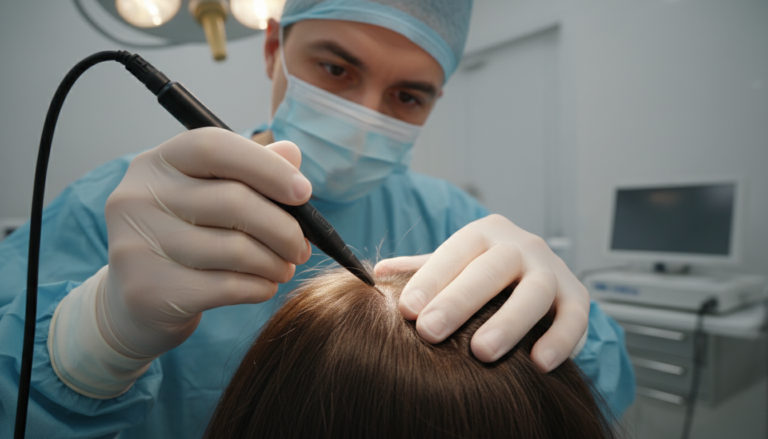
Advances in diagnostic testing now allow clinicians to tailor treatments based on an individual’s hormonal profile. State-of-the-art laboratories assess DHT levels and genetic markers to predict the likelihood of progression in male pattern baldness treatment. This personalized approach helps in selecting targeted therapies that may include both pharmacological interventions and lifestyle modifications. Physicians often combine these insights with clinical evaluations to determine the safe and effective course of action.
Consequently, a comprehensive diagnosis forms the foundation for successful outcomes, especially in patients who seek alternatives to the long wait times and high costs encountered in Canadian healthcare settings.
Exploring Treatment Options for Male Pattern Baldness
Evaluating treatment options for male pattern baldness involves contrasting both surgical and non-surgical approaches that have evolved significantly over the past decade. Male pattern baldness treatment now includes a range of options from topical agents and oral medications to advanced hair transplantation techniques.
Non-surgical treatments incorporate topical minoxidil and oral finasteride, which work by slowing hair follicle miniaturization and stimulating growth. These therapies typically suit patients in the early stages of hair loss who seek less invasive methods. Evidence from clinical trials demonstrates that early intervention with these medications can yield significant improvements in hair density and overall appearance.
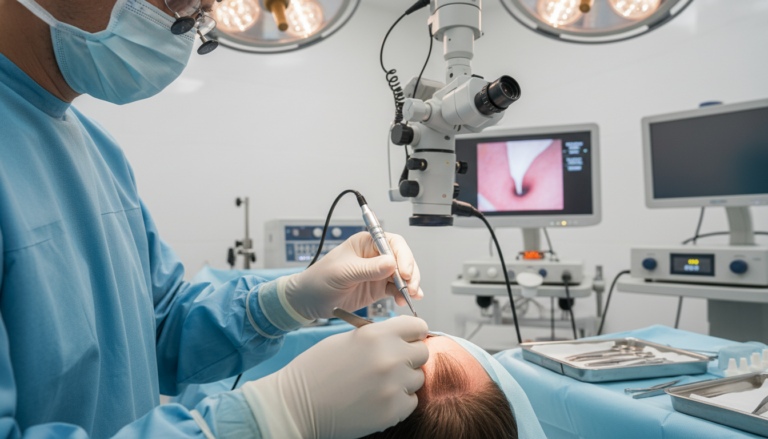
Surgical procedures, such as follicular unit extraction (FUE) and other modern hair transplantation techniques, offer more pronounced results. These procedures involve the precise extraction of hair follicles from donor areas and their implantation into androgen-sensitive regions of the scalp. Surgeons use state-of-the-art equipment and adhere to strict protocols, ensuring high success rates in restoring hair density. Recovery times vary based on the procedure, but many patients observe noticeable differences within a few months.
Canadian men benefit significantly from considering these treatment options when conventional treatments in Canada result in long wait times and increased expenses. Comparing non-surgical and surgical approaches reveals a balance between invasiveness, recovery, and expected outcomes. Non-surgical treatments provide a less invasive first step that may delay or sometimes avoid the need for surgery, while surgical options offer definitive solutions when hair loss has progressed further.
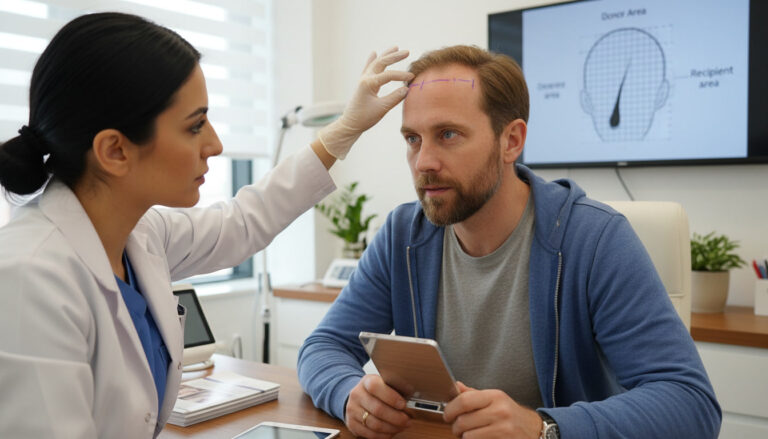
Each option comes with its own candidacy criteria, and early diagnosis helps determine the best route for treatment. For instance, patients in the early thinning stage may prefer non-surgical modalities, while those with advanced hair loss may achieve better results from transplantation. The decision-making process requires comprehensive consultations with qualified healthcare professionals who can assess the severity of hair loss and advise on the most effective treatment plan tailored to individual needs.
Furthermore, these treatment decisions take into account factors such as long-term maintenance, the potential for hair regrowth, and cost-effectiveness. Medical institutions in Turkey provide advanced procedures with shorter waiting periods and competitive pricing compared to Canadian clinics. With experienced surgeons and state-of-the-art technology, the surgical approach in Turkey assures patients of quality outcomes within a streamlined process. This balanced perspective helps Canadian men make informed decisions backed by both clinical evidence and realistic expectations.
Innovative Hair Restoration and Natural Solutions
Modern innovations in hair restoration now embrace both high-tech procedures and natural methods to stop hair loss naturally. Hair restoration options have expanded beyond traditional surgical interventions to include non-invasive techniques that harness advanced technology and natural supplementation.
Recent clinical studies emphasize that combining natural therapies with conventional treatments might provide a more holistic approach to managing hair loss. Treatments such as low-level laser therapy (LLLT), platelet-rich plasma (PRP) injections, and specialized cosmetic procedures have become increasingly popular among patients seeking less invasive options. These methods help stimulate cellular repair and enhance the body’s natural healing processes to foster hair regrowth.
Natural methods and supplementation also play a critical role in restoring hair density and vitality. Patients are increasingly exploring dietary adjustments, vitamins, and herbal supplements known to improve scalp health. Nutrients such as biotin, zinc, and omega-3 fatty acids provide the building blocks necessary for healthy hair production. Lifestyle modifications, including stress reduction techniques and improved sleep hygiene, further complement these natural approaches and may slow the progression of hair loss.
Integrating these natural solutions with established medical therapies creates a multifaceted strategy that improves overall outcomes. This evidence-based approach allows Canadian men to mitigate the risks associated with long-term reliance on pharmacological interventions and offers a sustainable alternative that prioritizes overall wellness.
In addition, alternative treatments like essential oils and scalp massage therapies have gained attention as complementary practices. Leading clinics in Turkey evaluate individual cases holistically to incorporate both innovative technology and traditional natural remedies for hair restoration. Researchers continue to examine the efficacy of these natural approaches, and early results show promise in maintaining hair thickness over extended periods.
Patient case studies reveal that combining natural methods with modern treatments can enhance the efficacy of hair restoration options. This comprehensive methodology allows patients to slow hair loss while potentially achieving a natural look that aligns with their aesthetic goals. The integration of both scientific and natural modalities provides a valuable roadmap for men seeking sustainable solutions in a timely and cost-effective manner.
Furthermore, advanced non-invasive methods reduce recovery time and allow patients to resume normal activities almost immediately. With controlled clinical environments and robust post-treatment protocols, medical professionals emphasize patient safety and consistent follow-up care. This strategy ensures that natural and medical treatments work synergistically to produce enduring results.
Canadian men exploring these avenues find reassurance in the fact that their treatment plan encompasses modern innovation with natural health-focused solutions, an approach that balances efficacy with minimal disruption to daily life.
Conclusion
In summary, this article has provided detailed insights into the causes and progression of male pattern baldness, while exploring a range of treatment options available to Canadian men. We examined how genetic factors, hormonal imbalances, and nutritional deficiencies contribute to hair loss in men and discussed both non-surgical methods and advanced surgical techniques.
The comprehensive discussion highlighted the benefits of early intervention and the critical role of understanding underlying biological aspects for planning effective treatment strategies. Canadian men can now compare treatment efficacy and safety standards across borders, especially in Turkey where wait times and costs are significantly lower.
Adopting a holistic approach that integrates both innovative medical interventions and natural supplementation can empower patients to take charge of their hair restoration journey. It is essential for individuals to consult qualified healthcare professionals when considering treatment options to ensure a personalized and safe approach.
Schedule a free medical consultation via WhatsApp at +905055002882 for personalized guidance on your hair loss treatment options. Equipped with these medically backed insights, Canadian men are better positioned to make informed decisions towards achieving lasting, effective hair restoration.