Sapphire FUE vs Traditional Hair Transplant for Canadian Patients
Summary
This comprehensive guide compares Sapphire FUE and traditional hair transplant techniques for Canadian patients considering treatment in Turkey.
It outlines the technical differences, procedural details, and cost and outcome considerations of both procedures.
The article provides clear insights into eligibility, recovery, and long-term results, aiding patients in understanding which method may best meet their needs in bypassing Canadian wait times and high costs.
Sapphire FUE vs Traditional Hair Transplant for Canadian Patients
The sapphire fue hair transplant emerges as a modern solution for Canadians seeking advanced hair restoration abroad.
Canadian patients, often facing extended wait times and steep treatment costs at home, must evaluate the benefits of both Sapphire FUE and traditional hair transplant methods when considering their options.
These procedures differ in technique, technology used, and expected outcomes, which makes a detailed comparison essential for making an informed decision.
In Turkey, where procedures are performed in JCI-accredited facilities under Ministry of Health authorization, patients can access world-class care with significantly reduced wait times and costs.
Evaluating these hair restoration techniques becomes crucial as patients look to achieve natural results with minimal downtime.
While traditional hair transplants have provided solid results over the years, Sapphire FUE introduces refined precision using sapphire blades to enhance graft survival and healing.
This detailed introduction sets the stage for comparing the two approaches in terms of procedural nuances, candidacy criteria, and post-operative care considerations.
Canadian patients must understand these differences to select a safe, effective, and cost-efficient treatment option abroad.
Understanding Sapphire FUE and Traditional Techniques
Sapphire FUE and traditional hair transplant methods represent distinct technological and procedural philosophies in hair restoration.
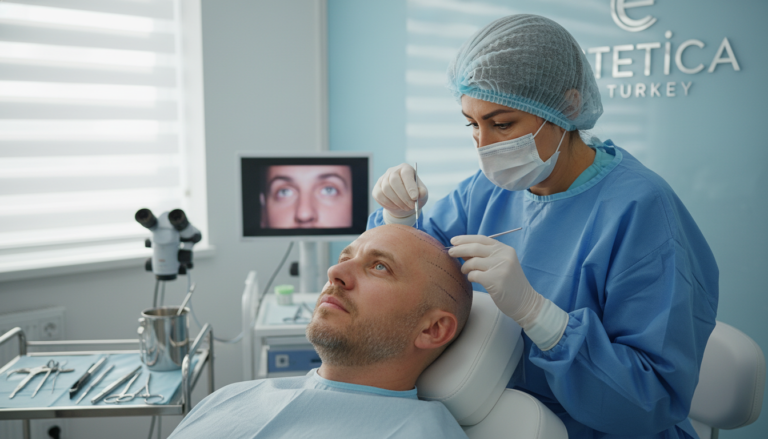
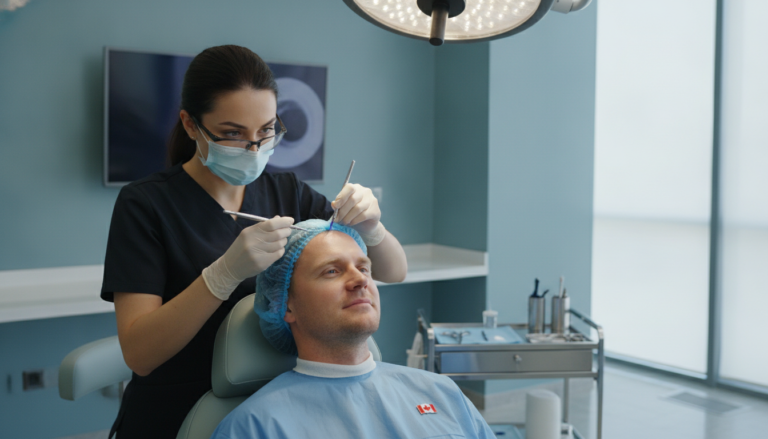
Sapphire FUE hair transplant employs specialized sapphire blades that offer enhanced precision compared to the standard metal or blunt instruments used in traditional methods.
The sapphire blade hair transplant technique optimizes incision quality, reducing tissue trauma and promoting better graft survival.
The sapphire material’s hardness and smoothness facilitate uniform incisions while minimizing bleeding and scarring, which are common concerns in conventional procedures.
These technical advancements contribute to faster healing times and improved patient outcomes.
Procedure Details and Technology
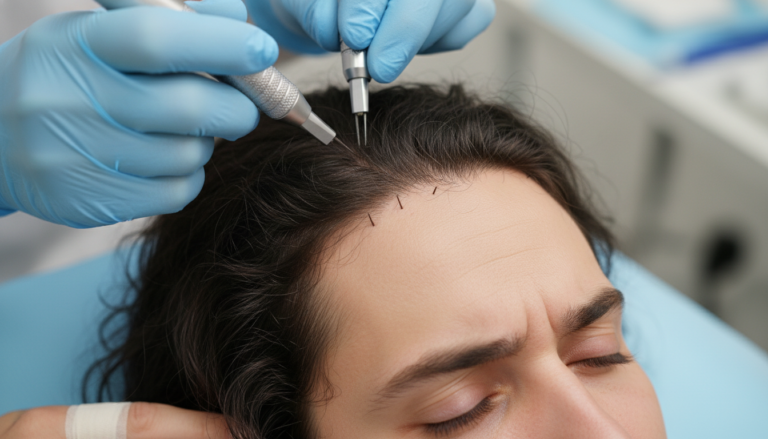
The Sapphire FUE technique uses highly engineered sapphire blades for making the incisions necessary for graft extraction and placement.
In a typical Sapphire FUE procedure, the surgeon makes thousands of tiny incisions quickly and accurately, allowing for the healthy extraction of donor hair follicles with minimal damage.
This method contrasts with traditional FUE, where standard punches might lead to increased trauma to the scalp.
The use of sapphire blades contributes to enhanced precision, with the blades’ properties ensuring exactly angled incisions that perfectly match the follicle’s natural orientation.
Patients benefit from reduced bleeding and improved healing due to the smoother edges created by the sapphire instrument.
In addition to incision precision, the sapphire blade ensures that each graft is extracted and implanted with optimal care, preserving the follicle’s integrity.
The advanced technology used in Sapphire FUE leads to a higher survival rate of grafts, which is a critical factor in determining the overall success of the hair transplant.
Surgeons report that this method reduces the possibility of transection, meaning fewer follicles are damaged during the extraction process.
Subsequently, the improved graft viability results in fuller and more natural hair regrowth.
This technological advantage reinforces Sapphire FUE as one of the most advanced hair transplant techniques available today.
Innovative Aspects Compared to Traditional Methods
Innovative aspects of Sapphire FUE extend well beyond the use of the sapphire blade; the entire procedure embodies a shift toward refinement in hair transplantation.
Compared to traditional techniques, Sapphire FUE significantly lowers scalp trauma during both the extraction and implantation phases.
Traditional methodologies often involve more aggressive handling of the scalp, which can slow recovery and occasionally affect the overall density of the results.
In contrast, the gentler action of sapphire blades facilitates a smoother, less invasive process that patients find more comfortable and beneficial from a healing perspective.
Moreover, the advanced nature of Sapphire FUE enhances graft survival rates.
Clinical data suggests that the delicate nature of sapphire incisions results in improved long-term outcomes, with patients experiencing denser hair regrowth within a shorter recovery period.
The reduction in tissue trauma minimizes inflammation, which in turn decreases the risk of post-operative complications.
Patients who opt for Sapphire FUE report faster recovery times and a more natural appearance, reinforcing its reputation as a highly innovative and effective method.
These technical refinements make Sapphire FUE particularly attractive to Canadian patients who seek timely, effective solutions to overcome the limitations of domestic treatment options.
Candidacy, Cost, and Outcome Comparisons
The evaluation of candidacy, costs, and expected outcomes plays a crucial role in the decision-making process for hair transplant procedures.
Both Sapphire FUE and traditional hair transplant methods require a careful examination of the patient’s clinical profile and realistic expectations regarding results.
Canadian patients, who often face long wait times and high out-of-pocket expenses in their home country, find significant value in comparing these procedures when seeking treatment in Turkey.
Clinicians assess various factors, including the pattern of hair loss, scalp health, and donor area density, to determine the most suitable approach.
Appropriate patient selection ensures that the chosen technique delivers optimal benefits while minimizing risks and recovery challenges.
Candidacy and Pre-Operative Considerations
Patients considering a hair transplant must undergo a thorough medical evaluation to determine which technique best suits their condition.
Factors such as the stage and pattern of hair loss, the condition of the scalp, and the availability of sufficient donor hair guide the eligibility process for both Sapphire FUE and traditional methods.
Pre-operative consultations generally include detailed scalp examinations, photographic documentation, and identification of patient expectations.
Surgeons typically advise candidates to avoid certain medications and substances before the procedure to minimize complications.
For many Canadian patients, the accessibility of prompt, technologically advanced treatments in Turkey presents a viable alternative to lengthy waits in Canada.
These evaluations help ascertain whether a patient’s hair loss pattern—and overall health—makes them an ideal candidate for the technically refined Sapphire FUE procedure.
In addition to clinical assessments, comprehensive pre-operative instructions ensure that patients understand the necessary preparations and potential risks, thereby enhancing the overall success of the transplant.
Medical professionals emphasize the importance of realistic expectations regarding the density and coverage achievable with hair transplant surgery.
With these considerations in place, patients confidently move forward with a treatment plan that has been tailored to their medical needs and aesthetic goals.
Cost and Expected Outcomes
When comparing the sapphire fue hair transplant cost to traditional hair transplant prices, patients often find that Turkey offers significant economic advantages.
Traditional procedures in Canada can cost substantially more due to high labor, facility, and administrative expenses.
In contrast, Sapphire FUE performed in Turkey comes with the dual benefit of advanced technology and cost savings, typically offering reductions of 50-70% compared to Canadian prices.
This affordability, together with high clinical standards and JCI-accredited facilities, makes Sapphire FUE an increasingly popular option among Canadian patients seeking immediate treatment.
In terms of expected outcomes, the Sapphire FUE technique consistently delivers superior results due to its enhanced precision and minimized tissue trauma.
Patients generally experience a quicker recovery time post-procedure, with less swelling and discomfort compared to traditional methods.
Long-term follow-up studies indicate that regrowth is more uniform and natural with Sapphire FUE, with graft survival rates remaining high over time.
These outcome advantages, combined with lower costs and reduced wait times, allow Canadian patients to make informed choices about their hair restoration journey.
Overall, the clinical benefits and economic advantages of Sapphire FUE position it as a highly favorable option in today’s competitive medical tourism market.
Preparation, Recovery, and Post-Operative Care
Before undergoing either Sapphire FUE or traditional hair transplant techniques, patients must engage in thorough pre-operative preparation.
Medical professionals emphasize the importance of understanding the specific requirements for each procedure, including recommendations on scalp care, dietary adjustments, and cessation of certain medications.
Detailed pre-operative instructions help to optimize the patient’s health prior to surgery, thereby minimizing complications and ensuring the best possible outcomes.
In Turkey, where clinic support is robust with VIP services and 24/7 patient coordinators, patients benefit from comprehensive guidance before, during, and after their procedure.
This preparation enhances safety and contributes to smooth operative experiences.
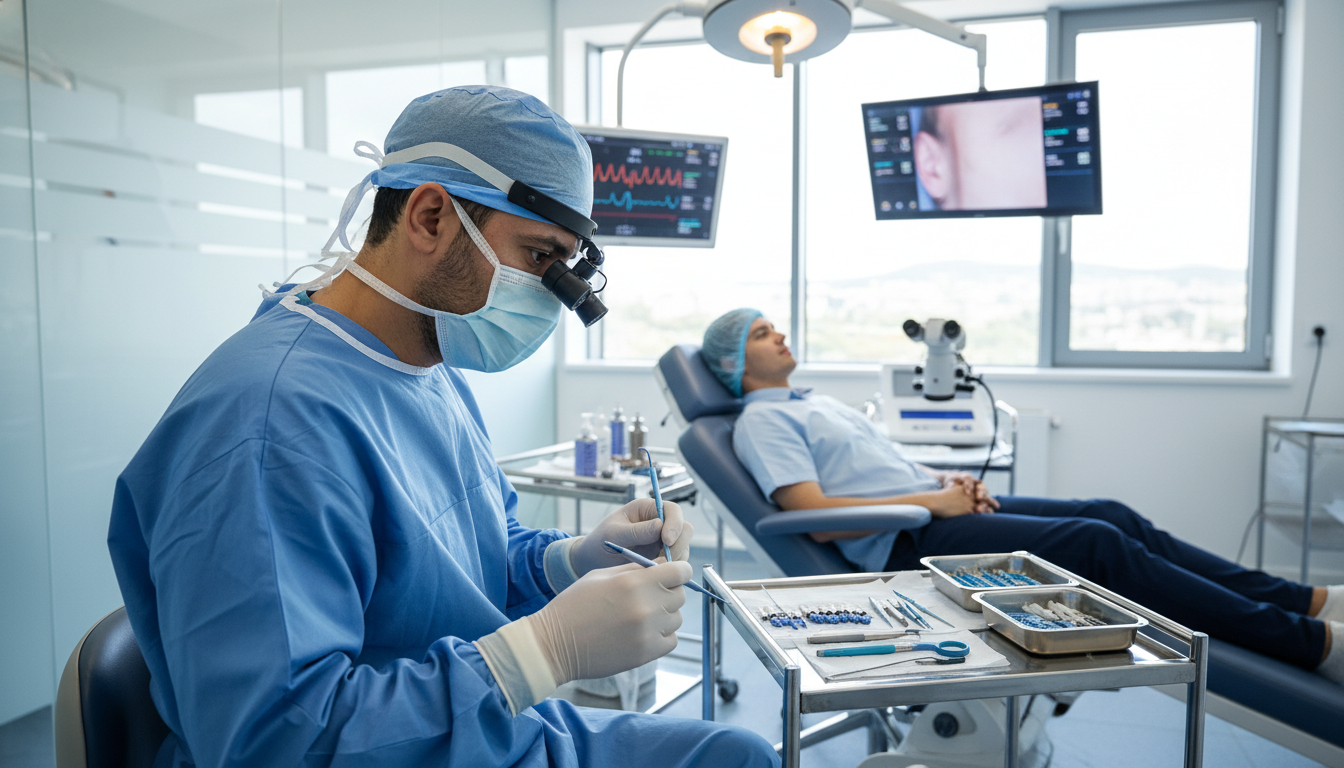
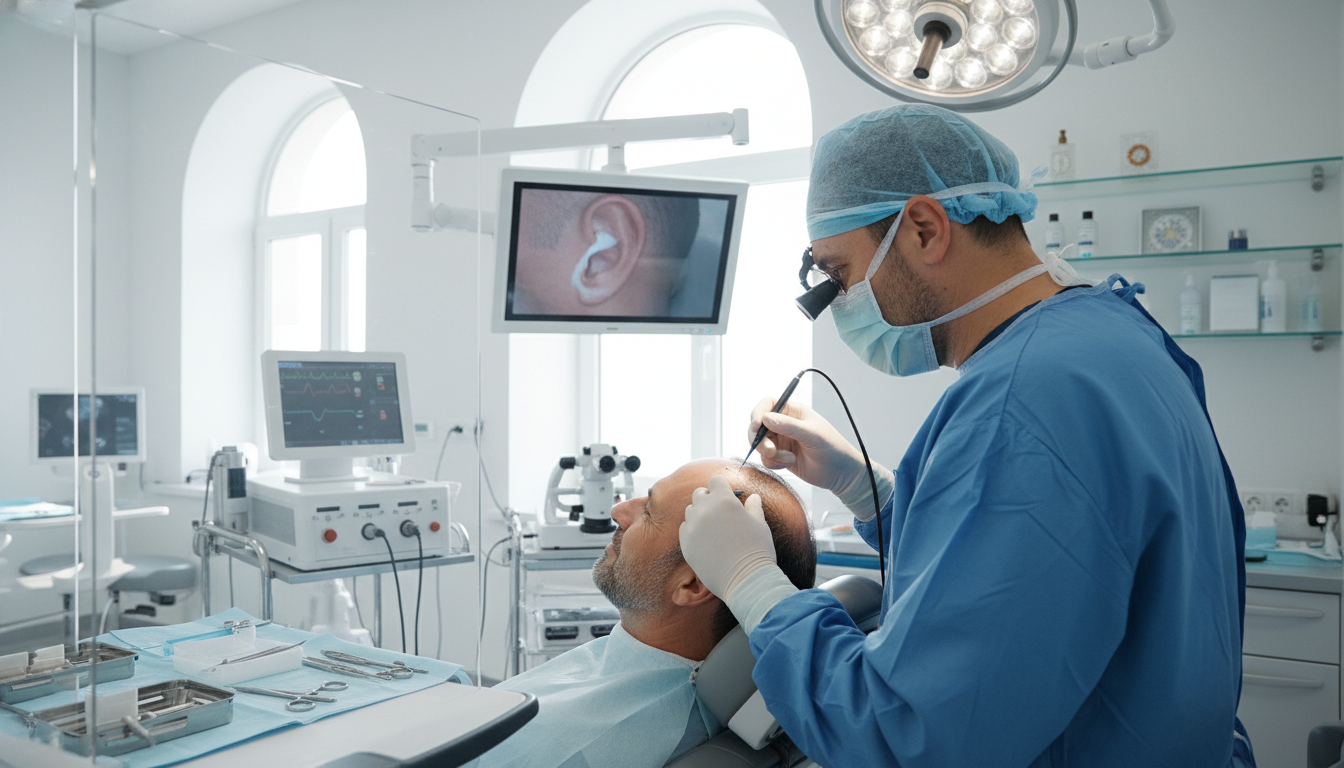
During the procedure, the clinical team carefully monitors the patient, utilizing state-of-the-art equipment and adhering to strict infection control protocols.
The meticulous attention given to each step—from donor hair extraction to follicle implantation—supports the overall success of the transplant.
In the case of Sapphire FUE, the use of sapphire blades introduces minimal trauma and promotes faster healing.
Surgeons and staff monitor patient comfort continuously, ensuring that pain management protocols and anesthesia are optimized for each individual case.
This advantageous healing environment is essential for achieving natural, long-lasting results.
Post-operative care forms a vital component of the hair transplant journey.
Patients receive detailed instructions regarding scalp hygiene, the use of prescribed medications, and scheduled follow-up visits to evaluate progress.
Recovery times vary, but many experience notable improvements within a few weeks, with full recovery typically observed around six to twelve months.
The advanced nature of Sapphire FUE often results in a smoother recovery, as reduced tissue trauma enables faster healing and less post-operative discomfort.
Medical teams in Turkish clinics remain accessible for remote consultations and on-site assessments, ensuring consistent support throughout the recovery period.
This emphasis on comprehensive care reinforces the status of Sapphire FUE as one of the most advanced hair transplant techniques available today.
Conclusion
In summary, this article has delineated the significant differences between Sapphire FUE and traditional hair transplant methods, emphasizing technical innovations, patient candidacy, cost benefits, and recovery profiles.
The Sapphire FUE technique, characterized by the use of advanced sapphire blades, offers enhanced precision and minimal tissue trauma, which leads to improved graft survival and faster healing.
Canadian patients facing long wait times and high costs at home find that Turkey’s JCI-accredited facilities provide accessible and affordable care without compromising quality.
By comparing candidacy criteria, meticulous preparation, and comprehensive post-operative care, patients gain a clear understanding of what to expect from each procedure.
The detailed evaluation in this article empowers Canadian patients to make informed decisions about their hair restoration journey.
For those considering the sapphire fue hair transplant or seeking more information on which method might be most appropriate for their specific condition, a careful consultation with a qualified specialist remains essential.
If you’re ready to explore your options further or need a personalized consultation on Sapphire FUE, contact us via WhatsApp at +905055002882 to schedule your free medical consultation.