DHI Hair Transplant Method Explained for Canadians in Turkey

Summary
This article provides an in-depth look at the DHI hair transplant method, detailing how direct hair implantation works for Canadian patients traveling to Turkey. It outlines the surgical process, technical benefits, and compares DHI with traditional FUE techniques. Canadian readers will learn about candidacy requirements, post-procedure care, and the overall advantages of opting for a no shave hair transplant, helping them make an informed healthcare decision in a country known for top-tier, affordable treatment options.
The summary sets the stage for understanding the innovative DHI method and its potential to reduce wait times and costs compared to Canadian healthcare systems. DHI hair transplant turkey has emerged as a favored option among Canadian patients aged 30 to 65 who seek advanced solutions for hair loss. The DHI procedure involves precision extraction and implantation of hair follicles using specialized instruments, eliminating the need for shaving large areas of the scalp.
In Canada, long wait times and high costs make this technique a highly attractive alternative. With treatment performed in Turkey’s state-of-the-art, JCI-accredited facilities, patients enjoy immediate access to world-class care along with cost savings of over 50%. This approach not only significantly reduces recovery time but also assures adherence to strict medical safety standards. By choosing this method, patients embrace a solution that balances medical excellence with minimal invasiveness and a natural aesthetic outcome.
Understanding the DHI Technique and Procedure
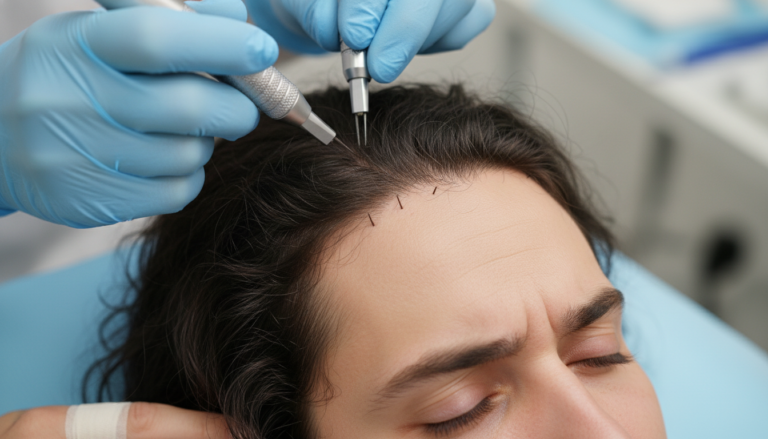
DHI hair transplant turkey employs a sophisticated method called direct hair implantation, which stands out in the realm of hair restoration treatments. In this procedure, individual follicular units are meticulously extracted and then directly implanted into the thinning or balding scalp areas. The technique eliminates the need for extensive shaving in the donor area, making it particularly appealing for patients looking for a no shave hair transplant.
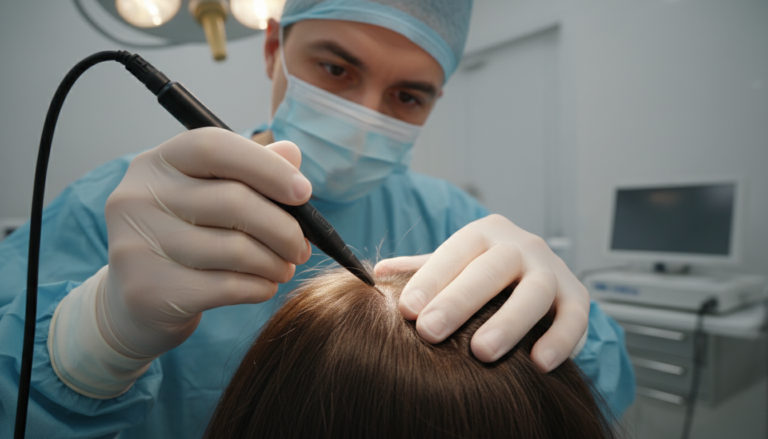
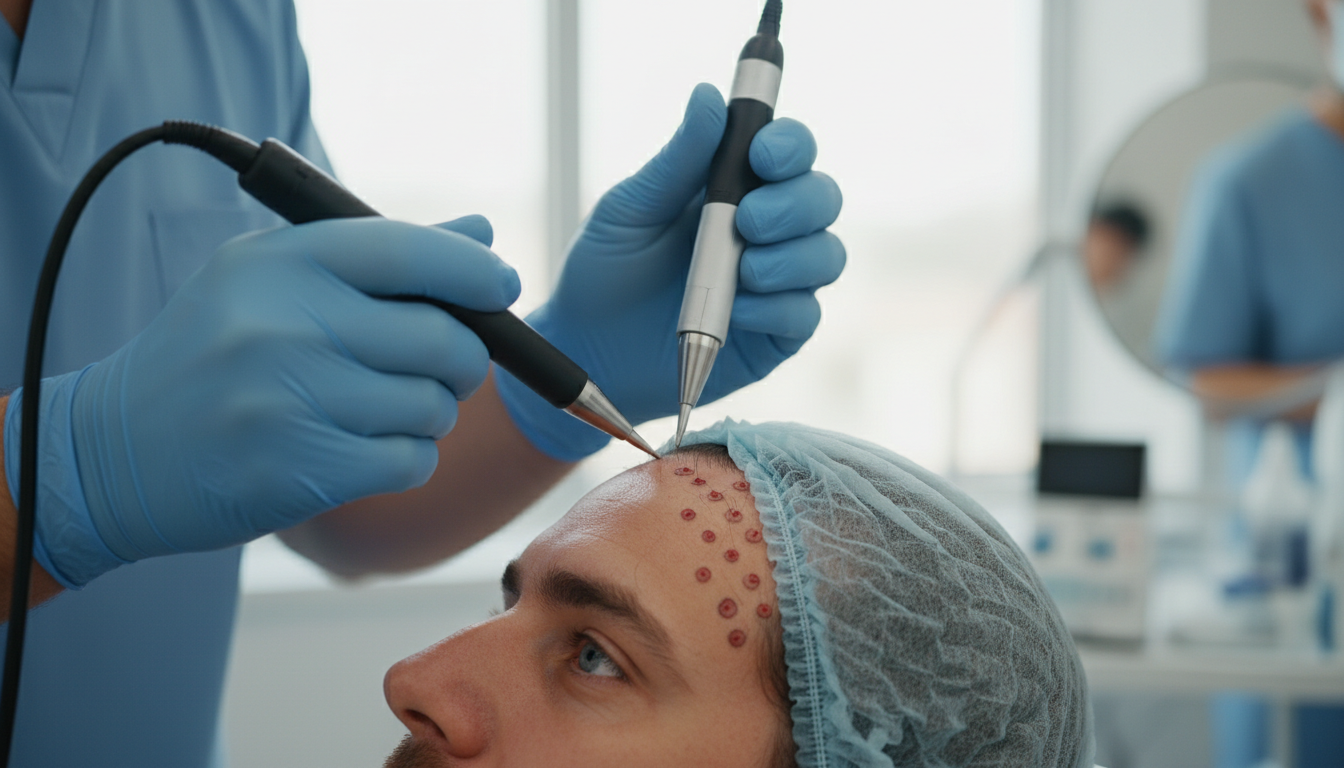
Specialized tools, such as the implanter pen, allow surgeons to achieve greater precision during implantation, thereby optimizing graft survival rates and enhancing the natural appearance of the hairline. Canadian patients often compare this method favorably with traditional techniques due to its minimal invasiveness and faster healing process.
Procedure Overview and Technique Details
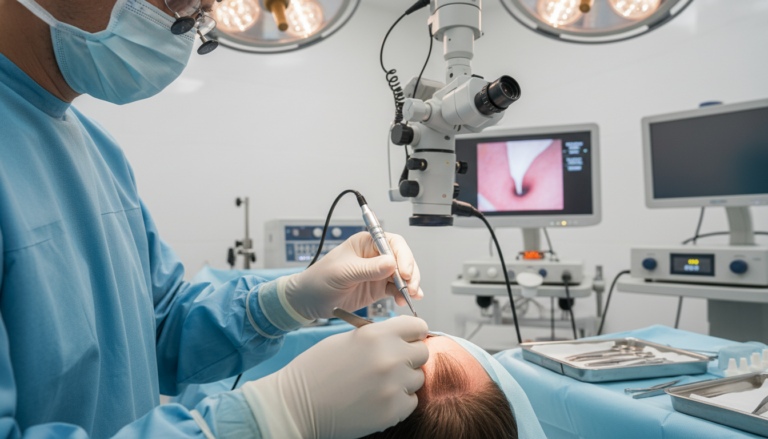
Surgeons begin the DHI procedure with a careful assessment of the patient’s scalp, determining the optimal donor sites and the angle at which hair naturally grows. Using state-of-the-art instruments, the surgeon gently extracts individual follicular units without causing significant trauma to the surrounding tissue. The implanter pen – a key feature in this methodology – facilitates the direct placement of hair follicles into prepared recipient areas, ensuring that each graft is accurately aligned with the surrounding hair.
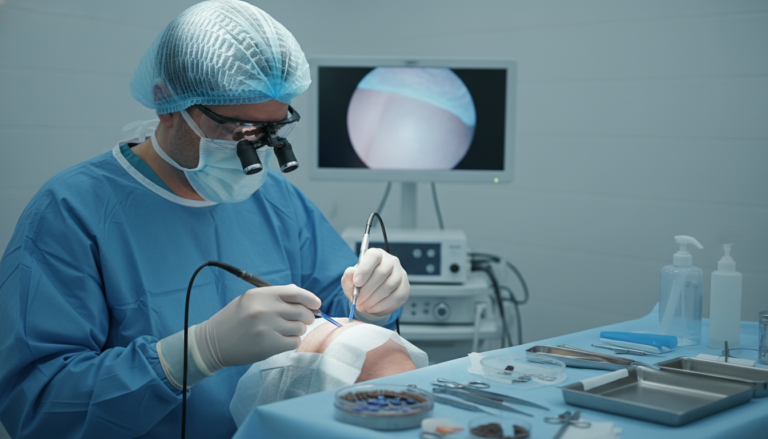
This precision minimizes handling of the grafts, reducing the risk of damage and increasing overall survival rates. The entire process is performed under local anesthesia, allowing patients to remain comfortable throughout the procedure while maintaining high degrees of precision and safety.
Benefits of Direct Hair Implantation
Direct hair implantation offers notable advantages over traditional hair transplant methods. One significant benefit is the reduced scarring and minimal tissue disruption, which results in a more natural hairline and quicker recovery time. The procedure’s minimally invasive nature mitigates post-operative discomfort and lowers the risk of complications, appealing particularly to patients who aim for a discreet, no shave hair transplant.
Additionally, the precise placement of follicles improves the density and overall aesthetic outcome of the transplant, vital for patient satisfaction. These enhanced outcomes have led many Canadian patients to consider direct hair implantation as a superior alternative, especially when they confront long waiting lists and high treatment costs in Canada.
With robust preoperative assessments and stringent surgical protocols, DHI ensures that every patient receives care tailored to their individual needs, making it an attractive option for those seeking both quality and efficiency.
Comparing DHI and FUE Techniques
The direct hair implantation (DHI) method and follicular unit extraction (FUE) represent two advanced options for hair restoration, each offering distinct procedural and outcome-related benefits. In a dhi vs FUE comparison, DHI is noted for its direct implantation process, which maintains follicular integrity better than FUE. While both techniques extract individual hair follicles, FUE typically requires more extensive preparation of the donor area and may involve additional steps to create recipient sites.
In contrast, techniques in DHI streamline the entire process by combining extraction and implantation into one seamless procedure. This efficiency contributes to reduced trauma to both the donor and recipient sites, potentially offering a more natural hairline and quicker subsequent healing for patients.
Technical and Procedural Differences
The technical distinctions between DHI and FUE become apparent during the procedural stages. In DHI, the extraction of hair follicles occurs with specialized tools such as the implanter pen, enabling surgeons to directly implant each follicle into the recipient site. This method eliminates the need for prior creation of recipient channels, which is a necessary step in FUE and may contribute to additional handling of the grafts.
Conversely, FUE involves the extraction of follicular units followed by manual creation of channels before implantation occurs, increasing the risk of graft desiccation. These procedural differences impact not only the operative time but also affect the overall graft survival and precision of hairline design, making DHI a preferred option for patients seeking enhanced accuracy and less invasive outcomes.
Outcome and Recovery Considerations
Recovery considerations also provide a basis for comparison between DHI and FUE techniques. Patients undergoing the DHI procedure often experience a shorter recovery timeline due to the minimally invasive nature of the method, with many returning to daily activities faster compared to those who choose FUE. In FUE, the additional steps in preparing the recipient sites may translate to a longer healing phase and slightly increased post-operative discomfort.
Both methods, however, require adherence to strict aftercare instructions to minimize the risk of infection and optimize graft survival. Canadian patients, who frequently face healthcare system delays at home, appreciate the streamlined process offered by DHI since it aligns with their need for quick and effective restoration of hair aesthetics. Ultimately, personal factors such as donor hair quality, the extent of hair loss, and realistic post-operative expectations play crucial roles in guiding the choice between these techniques.
Patient Considerations and Post-Procedure Care
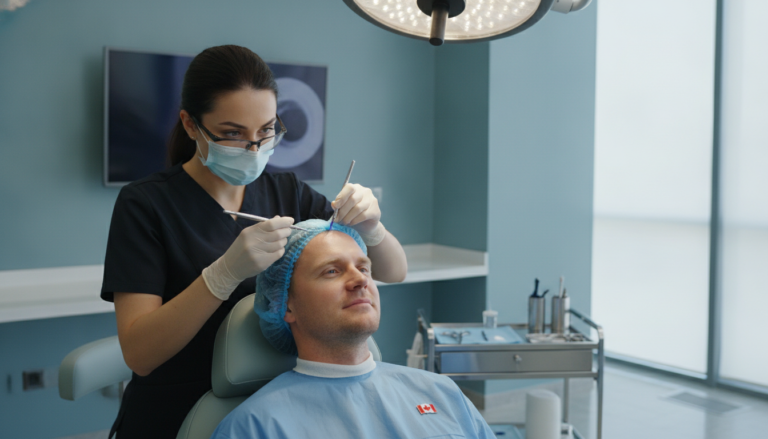
When considering a DHI hair transplant, proper patient evaluation and post-procedure care are critical elements in ensuring a successful outcome. A thorough pre-treatment assessment evaluates a patient’s medical history, scalp condition, and the extent of hair loss. This rigorous assessment helps identify ideal candidates for direct hair implantation, ensuring that factors like donor hair density and overall scalp health meet the criteria for obtaining optimal results.
Canadian patients are counseled on realistic outcomes and the importance of following preoperative instructions to maximize the procedure’s effectiveness. The evaluation process includes detailed scalp examinations and diagnostic tests that assist surgeons in mapping out precise implantation strategies tailored to individual needs.
Candidacy and Pre-Treatment Assessment
Proper candidacy assessment forms the backbone of a successful DHI procedure. Surgeons conduct comprehensive evaluations to determine overall health and suitability, taking into account factors such as age, hormonal balance, and the progression of hair loss. Pre-treatment assessments typically include a detailed review of medical history and necessary laboratory tests to exclude any contraindications.
Scalp analysis using advanced imaging tools further assists in planning the optimal distribution of hair grafts. Clear communication of realistic expectations during these assessments ensures that patients are well informed about the potential outcomes and risks associated with direct hair implantation. This meticulous approach in patient selection underscores the commitment to high-quality care and patient safety, which is vital for those transitioning from long waits and high costs in the Canadian system.
Post-Procedure Care and Managing Side Effects
Following the DHI procedure, strict adherence to post-operative care protocols is indispensable. Patients receive detailed guidelines to manage minor side effects such as swelling, redness, or temporary discomfort that may occur after the procedure. Recommended care regimens include keeping the treated area clean, avoiding strenuous activities, and using prescribed topical medications to reduce inflammation and promote healing.
Surgeons encourage frequent follow-up appointments to monitor graft survival and address any emerging complications promptly. Emphasizing the importance of post-procedure vigilance, healthcare professionals advise patients to report unusual symptoms immediately. This comprehensive approach to post-operative care ensures that the transformative benefits of a no shave hair transplant are realized with minimal risk, providing Canadian patients with both confidence and peace of mind throughout their recovery journey.
Conclusion
In summary, the DHI hair transplant method offers a high-precision, minimally invasive solution for Canadian patients seeking effective hair restoration. This article has detailed the technical nuances of direct hair implantation, emphasizing its advantages over traditional FUE techniques. With streamlined procedures that reduce scarring and recovery times, DHI meets the demands of patients frustrated by long wait times and high costs in Canada.
The careful assessment of candidacy and rigorous post-operative care further ensure successful outcomes. Patients gain not only aesthetically pleasing results but also the reassurance of safety and expert care in Turkey’s advanced medical facilities. Canadian patients contemplating hair transplant options now have a clear, evidence-based insight into the DHI method. The article reinforces that quality healthcare need not be compromised by delays or excessive costs.
Empowered with up-to-date medical insights and comprehensive pre- and post-care protocols, patients are encouraged to pursue a consultation for tailored advice. For further personalized advice on the DHI hair transplant method, and to discuss your treatment options, book your consultation now via WhatsApp at +905055002882. This informed approach provides a promising path to restore confidence and natural hair aesthetics in an accessible, affordable healthcare environment.