DHI Hair Transplant Method Explained: A Canadian Guide
Summary
This comprehensive guide details the DHI hair transplant method with an emphasis on direct hair implantation in Turkey. It covers the procedure steps, technical details, patient candidacy, and recovery protocols, offering Canadian patients clear insights into an innovative, no-shave hair transplant solution. The article also provides a balanced comparison to traditional FUE methods, helping you understand benefits, limitations, and prepare adequately for the procedure. DHI hair transplant turkey ensures an advanced approach to hair restoration with minimally invasive techniques and precise graft placement, catering specifically to those facing long wait times and high costs at home.
DHI hair transplant turkey offers Canadian patients a cutting‐edge solution for hair restoration. Many Canadian patients aged 30 to 65 experience significant challenges due to long wait times and high costs associated with hair restoration procedures available locally. The DHI method, which stands for Direct Hair Implantation, represents an innovative approach where specialized tools implant hair grafts directly without the need for traditional incisions. This technique minimizes trauma and promotes faster recovery with excellent results.
Performed in Turkey, a global leader in advanced hair restoration, this procedure provides an opportunity to bypass lengthy domestic wait times and expensive procedures. With its focus on precision and a no-shave approach, DHI attracts those who seek to maintain a natural appearance during the transition and recovery phases. Canadian patients thus benefit not only from the technical sophistication of the procedure but also from its efficient scheduling and reduced downtime.
The appeal of DHI is further enhanced by its basis in international medical safety standards, including JCI accreditation and Ministry of Health authorization, ensuring that patient safety and treatment quality remain paramount.
Understanding the DHI Hair Transplant Procedure
The DHI hair transplant procedure represents an advanced form of direct hair implantation that leverages state-of-the-art techniques to provide optimal hair restoration results. Patients seeking a less invasive alternative to traditional hair transplantation techniques appreciate the benefits of this approach.
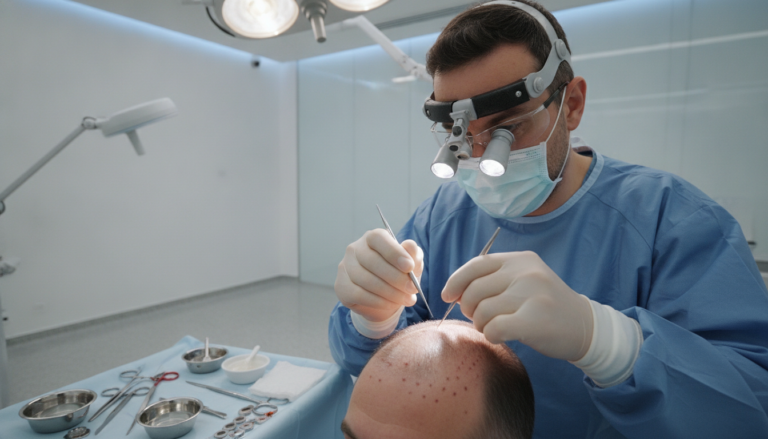
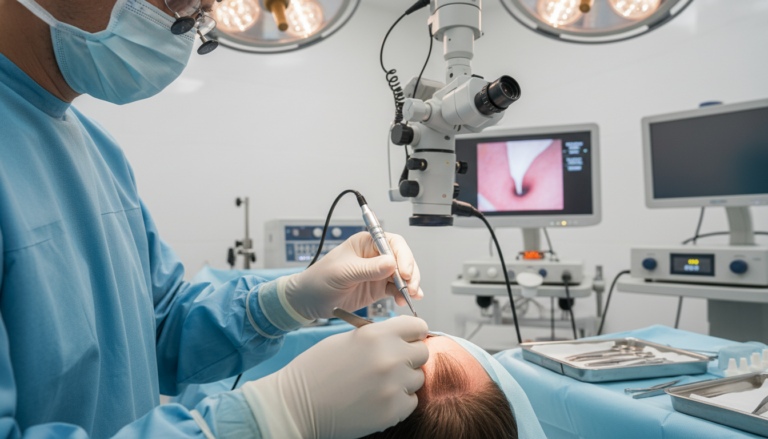
In this procedure, specialized implants directly insert hair follicles into thinning or balding areas, ensuring a natural hairline and improved density. The use of precision tools minimizes the trauma typically associated with conventional incisional methods. Expert surgeons, who work in JCI-accredited facilities in Turkey, employ the DHI method with meticulous attention to each graft, thereby increasing graft survival rates and improving overall outcomes. Canadian patients facing extended wait times and high domestic costs find this option particularly appealing due to its efficiency and superior technical precision.
A detailed look into the process reveals the unique aspects of the technique. During the procedure, individual hair follicles are extracted and then prepared for implantation using specialized devices that control depth, angle, and density with remarkable accuracy. This method reduces the need for incisions and stitch-based closures, thus promoting faster healing and less post-operative discomfort. The technique minimizes trauma to surrounding tissues and facilitates more rapid integration of the grafts into the scalp. Surgeons customize the procedure to each patient’s unique hair loss pattern while ensuring that transplanted follicles remain viable and produce a natural appearance. Patient eligibility for DHI is determined based on hair density, scalp condition, and overall health status to ensure the highest possible success rates.
Technique Overview
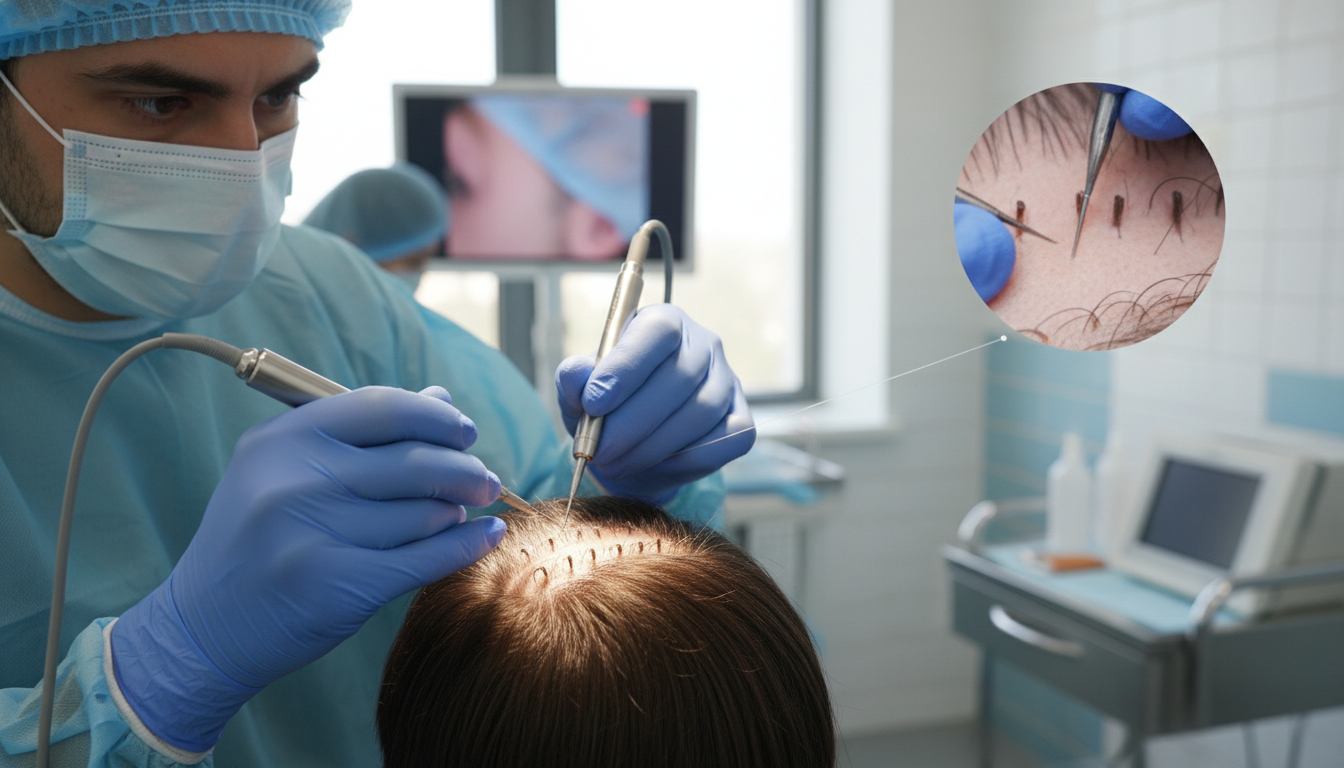
The technical foundation of DHI centers on the direct implantation of hair follicles via specially designed instruments. This approach circumvents the need for creating recipient sites separately, which is a hallmark of traditional methods. The process initiates with a thorough scalp analysis and mapping of thinning areas.
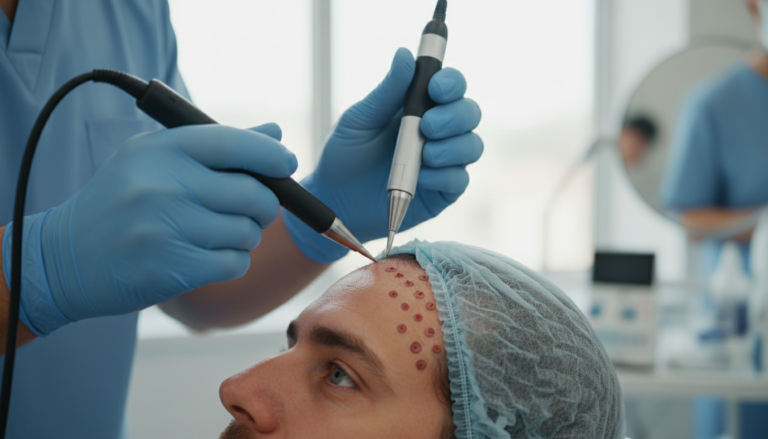
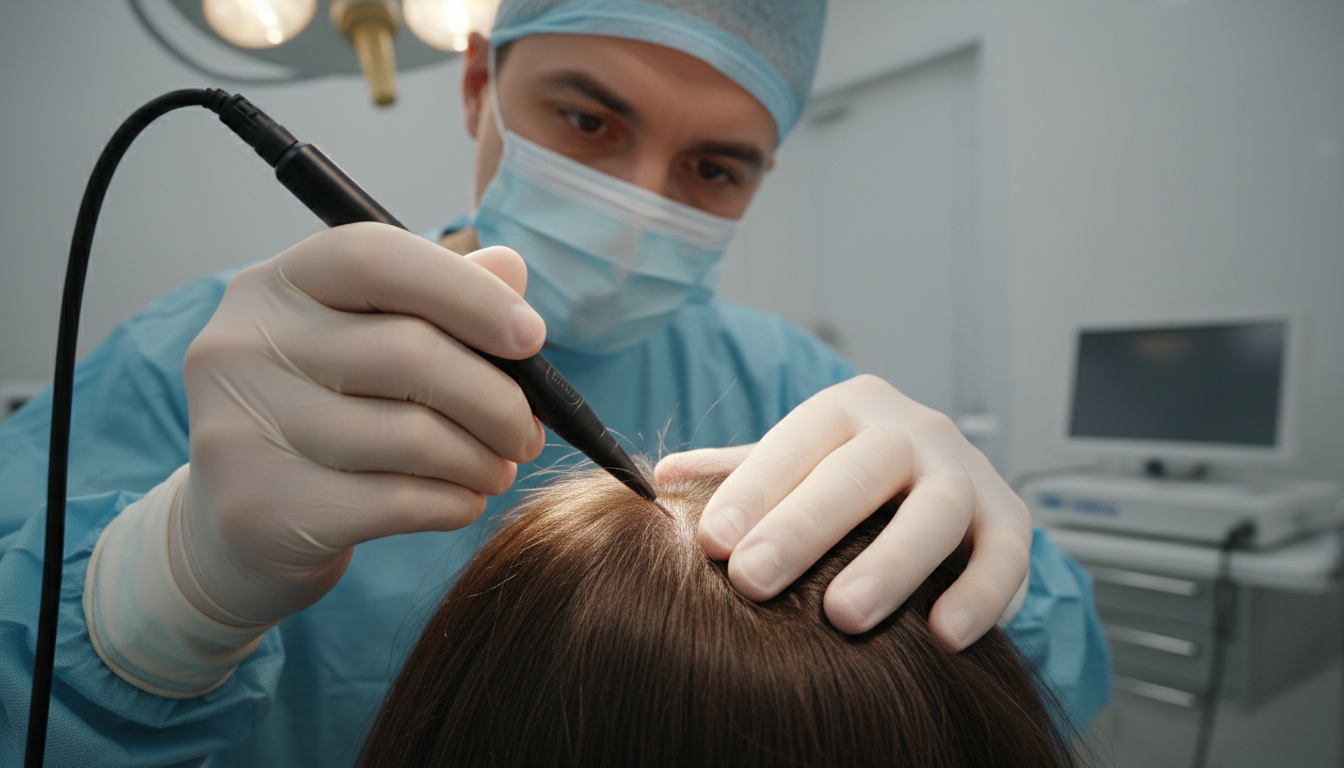
Once follicles are harvested, the surgeon uses a fine, pen-like device to create micro-channels directly in the scalp, which minimizes tissue trauma. This precise placement is critical to ensuring a natural hairline and even distribution. The procedure requires active patient participation during pre-operative assessments and detailed planning to achieve optimal aesthetic outcomes. The specialized instruments used in direct hair implantation provide better control over graft placement, which directly translates to higher survival rates and more impressive cosmetic results. Each step is executed with clinical precision to enhance both the safety and effectiveness of the transplantation process.
Comparing DHI with FUE: Direct Hair Implantation vs FUE
A comparative analysis between DHI and FUE highlights significant technical and clinical differences that inform patient choice. Direct Hair Implantation vs FUE often becomes a critical decision for patients who prioritize precision and minimal downtime. Both techniques extract individual hair follicles, but the methods diverge considerably in terms of the implantation process and recovery.
Whereas traditional FUE requires the creation of incisions to place the grafts, the DHI method implants follicles directly using a specialized tool, which can reduce the overall procedure time and leave a more natural look. Canadian patients frequently compare these methods to balance factors such as procedural precision, recovery duration, and expected aesthetic outcomes. The DHI technique offers a distinct advantage with its no-shave approach, allowing patients to maintain most of their existing hair during the process, which further enhances its appeal.
Delving deeper, DHI enables more accurate control over the angle and direction of each hair follicle, directly influencing graft survival rates and the natural appearance of the resulting hairline. While FUE has a longer track record and might be more widely accessible locally, it often leaves behind small scars and may require a visible period of shaving. In contrast, DHI’s no-shave technique minimizes these cosmetic concerns and promotes a substantially faster recovery period.
However, potential limitations of DHI include a sometimes longer duration for extensive sessions and a higher level of technical skill required by the surgeon. Canadian candidates must weigh these nuanced factors, considering individual hair loss patterns, desired outcomes, and available recovery time. Ultimately, a personalized consultation can help clarify which method aligns best with a patient’s specific medical and aesthetic needs.
Pros and Cons
Direct comparisons reveal that DHI offers superior precision and a minimalistic approach, especially beneficial for those seeking a no-shave hair transplant option. On the plus side, DHI minimizes skin trauma, avoids extensive incisions, and allows for quicker integration of grafts. On the downside, the procedure may require sessions that extend longer than FUE and depends heavily on the surgeon’s experience. Furthermore, the cost implications between the two procedures vary, with DHI typically commanding a premium due to its advanced technology. FUE remains a solid option for many patients, with a well-documented history and satisfactory results. Evaluating these factors through a detailed clinical consultation enables Canadian patients to make an informed decision based on evidence-based benefits and individual health profiles.
Patient Preparation and Recovery for DHI Procedure
Successful outcomes in DHI hair transplant procedures hinge on comprehensive patient preparation and diligent post-operative care. Canadian patients considering this treatment must engage in thorough pre-operative assessments to determine suitability and to set realistic expectations about the recovery process. The preparation process involves a detailed scalp evaluation, a review of medical history, and discussions regarding potential risks and benefits. Emphasizing a no-shave hair transplant option, physicians outline specific pre-procedure instructions including medication management and avoidance of certain activities that might compromise the grafts. This proactive approach ensures that patients enter the procedure with clear guidance and a strong foundation for recovery.
The actual DHI procedure involves minimal downtime. Once the grafts are directly implanted, patients receive specific post-operative guidelines. Critical to the recovery process is the maintenance of the scalp’s hygiene, careful monitoring for signs of infection, and adherence to follow-up visits scheduled by the care team. Post-operative care includes instructions on gentle washing, avoidance of strenuous activities, and the use of prescribed medications to reduce inflammation and support graft integration. Canadian patients are advised to monitor their progress closely and report any unusual symptoms to their healthcare provider without delay. The emphasis remains on a smooth recovery to maximize the longevity and natural appearance of the implant.
Post-Operative Care
Following the DHI procedure, clinicians recommend a series of practical steps to ensure the longevity of the results. Patients receive detailed guidance for managing minor side effects such as swelling and redness. They are encouraged to maintain excellent scalp hygiene by using medicated shampoos and adhering to a scheduled follow-up protocol. Medical professionals advise against washing the hair for the initial 24 to 48 hours post-surgery, followed by gentle rinsing with lukewarm water without direct pressure on the transplanted areas. Furthermore, scheduled follow-up visits help monitor healing progress and provide an opportunity to address any concerns. With a dedicated post-operative regimen, patients attain optimal results while minimizing complications and accelerating the healing process. This structured approach to recovery plays an essential role in distinguishing the DHI method from more invasive alternatives and reassures patients that every phase of their treatment is managed with expert care.
Conclusion
In summary, the DHI hair transplant method offers a sophisticated and patient-friendly solution for individuals seeking advanced hair restoration. The procedure’s emphasis on direct hair implantation through specialized tools sets it apart from traditional methods like FUE, particularly with its no-shave advantage and minimal downtime. Canadian patients benefit from this innovative approach, which addresses long wait times and reduced opportunities for effective treatment domestically.
The detailed procedural steps, combined with a careful evaluation of eligibility and targeted pre- and post-operative care, ensure that patients receive high-quality, safe care that meets international standards. Empowered with comprehensive information about both DHI and FUE, patients can now make informed decisions about their hair transplant journey. Accessible, affordable, and world-class, the DHI method embodies the principles of immediate and effective healthcare solutions.
If you are considering a DHI hair transplant and want personalized guidance, schedule your free consultation via WhatsApp at +905055002882. This step towards a confident future is supported by globally recognized medical excellence available in Turkey’s leading medical facilities.