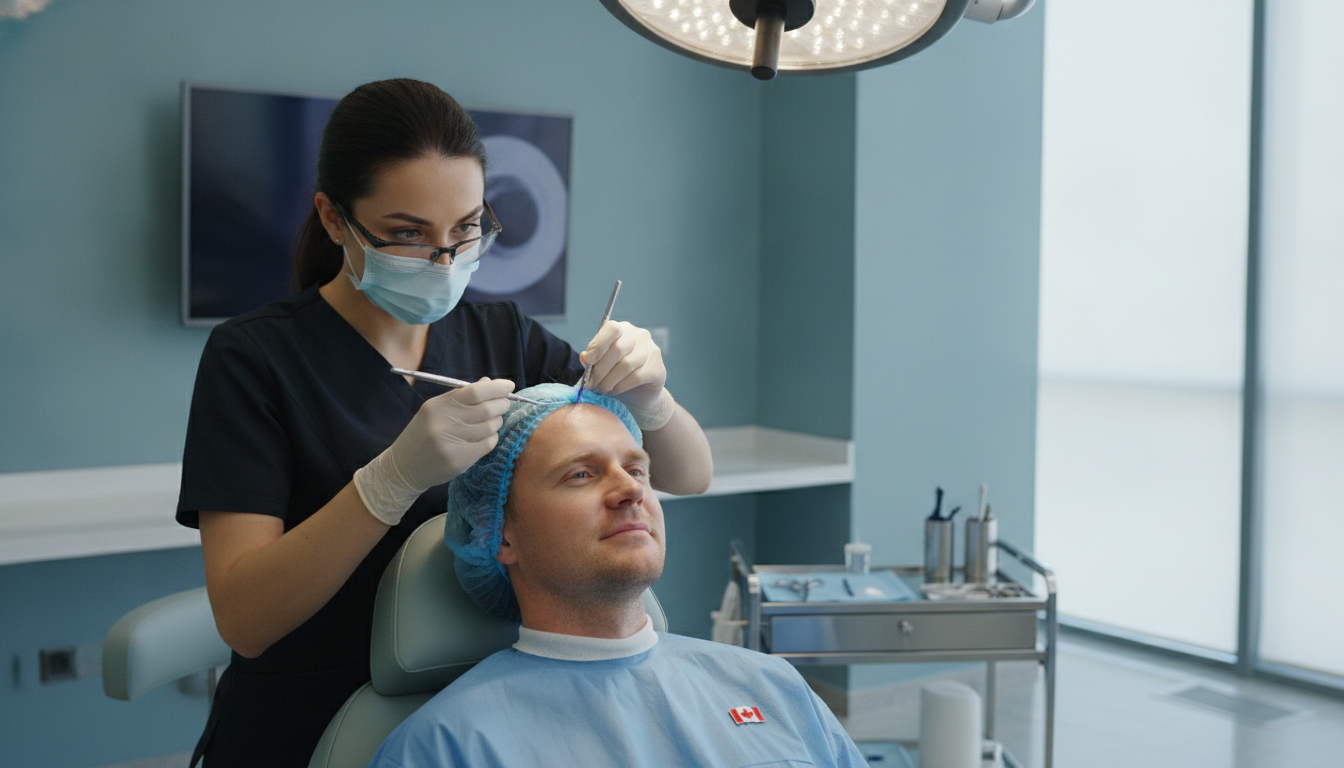
Sapphire FUE vs Traditional Hair Transplant for Canadians

Summary
This article provides a detailed comparison between Sapphire FUE and traditional hair transplant techniques. It explains the technical aspects, procedural differences, candidate evaluation, and expected outcomes. Canadian patients will gain clarity on the benefits of using sapphire-based methods in Turkey, including insights on costs, advanced surgical technology, and minimally invasive procedures. The guide offers evidence-based information to support informed decision-making in hair restoration treatments.
Sapphire FUE vs Traditional Hair Transplant for Canadians
Sapphire fue hair transplant turkey techniques integrate innovative surgical methods that harness the precision of sapphire blades for improved hair restoration outcomes. Canadian patients often face long wait times and high costs, driving interest in advanced elective procedures abroad. In Turkey, medical tourism provides an immediate alternative with access to world-class facilities and internationally trained surgeons.
This article critically compares Sapphire FUE to traditional hair transplant techniques to help patients understand technological differences, procedural nuances, and expected clinical results. The detailed analysis supports informed decision-making by discussing the procedure, recovery times, and realistic treatment outcomes.
Turkish clinics utilize cutting-edge sapphire blade technology to reduce tissue trauma and enhance graft survival rates, marking a significant improvement over conventional methods. Canadian patients who experience delays or escalating costs at home can find a more efficient solution abroad. With rigorous safety protocols and JCI-accredited care, the modern approach ensures both quality and economical benefits.
As you continue reading, you will learn about the technical details of each procedure, enabling you to weigh your options and choose the most appropriate treatment for your needs.
Understanding Sapphire FUE and Traditional Techniques
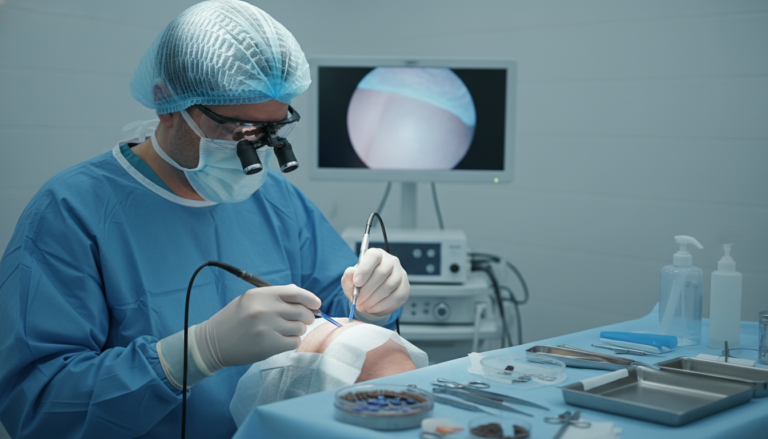
Sapphire FUE represents a milestone in hair restoration techniques by incorporating the use of sapphire blades for the extraction phase, which elevates precision and minimizes trauma to the scalp. In this technique, medical professionals utilize diamond-like tools made of sapphire to achieve smoother incisions, reducing the risk of scarring and delivering an aesthetically superior outcome.
The inherent benefits of using a sapphire blade lead to improved graft survival rates and faster recovery times for patients. Canadian individuals seeking hair transplant solutions now have access to this advanced method that optimizes the procedure through enhanced precision and less invasive technology.
Sapphire fue hair transplant turkey procedures embody a blend of state-of-the-art instrumentation and surgical finesse, marking it as one of the most advanced hair transplant techniques available in the current medical tourism landscape.
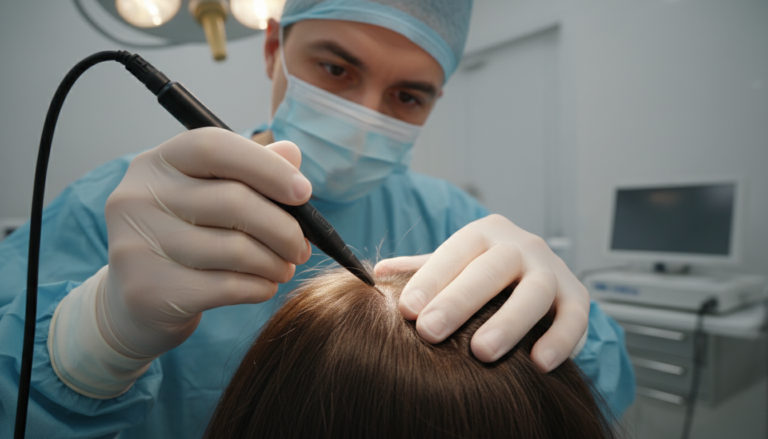
Delving into the technical aspects, Sapphire FUE relies on highly controlled incisions that allow for an exact match between donor and recipient sites. The use of sapphire blades significantly reduces the friction and heat generated during the procedure, which in turn limits follicular damage. Surgeons who perform a sapphire blade hair transplant emphasize the importance of precise extraction and implantation, as each hair graft is delicately handled to ensure optimum outcome.
This modern technique represents a shift from traditional methods by addressing common complications such as post-operative pain, prolonged healing periods, and visible scarring. Many Canadian patients have responded positively to this innovative approach because it presents a solution that directly counters the limitations typically seen in standard hair restoration surgeries.
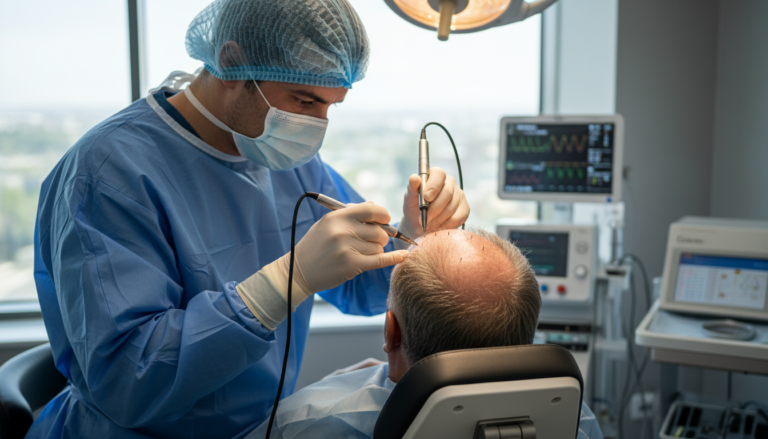
Traditional FUE, on the other hand, has long been the primary technique in hair transplantation and involves the manual extraction of follicular units using metal or stainless steel instruments. This conventional method relies heavily on the surgeon’s experience and precision while also posing a higher risk of tissue trauma compared to sapphire-assisted techniques.
Although traditional FUE remains effective, it often results in larger incisions and, in some instances, greater post-operative discomfort. With standard FUE, the focus has historically been on extracting individual follicular units, but minor variations in technique can substantially affect the overall aesthetic result and recovery timeline.
Both techniques share the common goal of hair restoration, yet the introduction of sapphire technology has refined the process by enhancing safety, reducing recovery time, and delivering improved cosmetic benefits for patients. Canadian patients benefit from understanding these distinctions as they consider alternatives to domestic procedures that typically involve long wait times and high expenses.
The advanced sapphire method aligns with the growing trend of seeking international medical expertise to leverage the benefits of cutting-edge technology paired with cost-effective treatment packages. This section emphasizes that selecting the appropriate hair transplant method requires a comprehensive evaluation of both procedural details and expected postoperative outcomes. Patients are encouraged to review these findings carefully, as they create a more informed perspective on the available therapeutic options.
Comparing Procedure Details and Clinical Outcomes
When evaluating hair transplant methods, the clinical details and procedural nuances play a pivotal role in understanding which technique offers the best outcome for patients. Sapphire FUE distinguishes itself by incorporating advanced instrumentation that significantly minimizes tissue trauma during extraction. The use of sapphire blades creates exceptionally precise incisions, which in turn results in less bleeding and faster healing times.
This approach often translates into a higher yield of viable grafts and reduced postoperative discomfort, positioning it as one of the most advanced hair transplant techniques available today. In contrast, traditional FUE relies on less specialized tools which, while effective, may not match the precision enabled by the sapphire method. Canadian patients seeking hair restoration often appreciate the measurable differences in graft survival rates and recovery timelines that these innovative techniques offer.
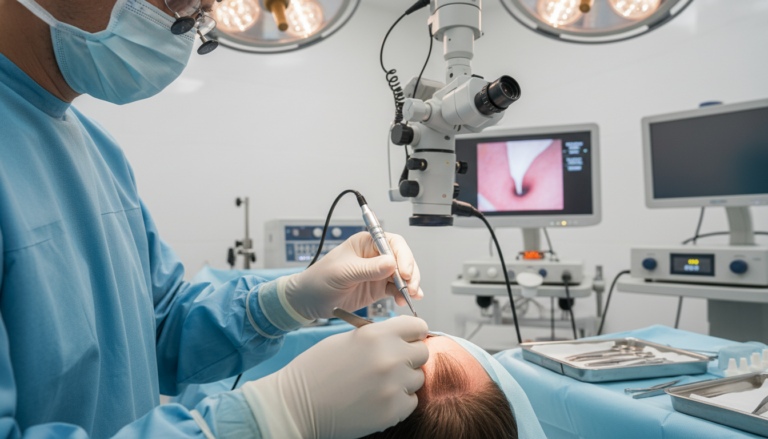
The surgical methodology of Sapphire FUE involves the integration of state-of-the-art technology, where the sapphire blade allows for smoother and more precise extraction of hair follicles. Surgeons emphasize that the uniform incisions created by these blades enhance the overall cosmetic outcome and minimize visible scarring. Additionally, the precise nature of the sapphire technique offers an alternative benefit of shorter operative durations, which is crucial for patient comfort and minimizing the risk of complications.
Conversely, traditional FUE, although established and reliable, may require slightly longer procedure times due to manual adjustments and the inherent variability of using conventional instruments. Both methods, however, maintain a high success rate when executed by experienced transplant surgeons. Clinical outcomes further favor the Sapphire FUE technique, especially in terms of graft survival and post-surgical recovery.
Evidence-based studies have demonstrated that the minimal trauma induced by sapphire blades creates a more conducive environment for the implanted hair follicles to thrive. Patients typically report faster wound healing and less discomfort in the days following the procedure, leading to a smoother transition back to regular activities. Furthermore, long-term success rates for Sapphire FUE often outpace those of traditional methods, ensuring that the transplanted hair continues to grow naturally and robustly over time.
The integration of advanced technological tools in Sapphire FUE thus not only enhances immediate procedural success but also supports sustained hair health. This detailed comparison offers valuable insights for Canadian patients who face extended wait times and escalating treatment costs domestically. Selecting the right procedure involves weighing the benefits of advanced technology against well-established surgical practices.
Both techniques carry significant merit; however, the adoption of sapphire blade technology provides an edge in terms of precision and reduced patient recovery time. Ultimately, the decision should be informed by a detailed consultation with a qualified surgeon, emphasizing the patient’s medical history, hair restoration goals, and personal comfort with the proposed methods. With rigorous clinical standards and international accreditation, Turkey offers an attractive solution for Canadians in search of effective and affordable hair transplant treatments.
Evaluating Costs, Reviews, and Patient Considerations
In evaluating hair transplant procedures, practical considerations such as cost, patient reviews, and overall treatment planning are equally important as the clinical effectiveness of the techniques. Sapphire FUE typically offers a competitive pricing structure in Turkey compared to more traditional methods practiced in Canada. The cost benefits become particularly apparent when considering that Canadian patients often face prohibitive expenses and lengthy wait times for hair restoration procedures.
Turkish clinics, benefiting from advanced equipment and streamlined protocols, provide an appealing economic alternative, with many reports indicating savings of up to 50-70% compared to domestic prices. Patients considering a sapphire blade hair transplant have access to comprehensive packages that include pre-operative consultations, post-operative care, and accommodation, which further enhance the overall value proposition.
Reviews frequently highlight the efficiency, cleanliness, and high success rates of Sapphire FUE, which directly stem from the advanced technological methodologies employed. The integration of sapphire technology not only leads to a more precise hair transplant but also contributes to shorter recovery times and a reduced risk of complications.
Patient testimonials often emphasize the natural-looking results and the minimal scarring associated with the sapphire method, in contrast to the occasionally uneven outcomes reported with traditional approaches. The evaluation process also involves looking at realistic outcome expectations, recovery timeframes, and the availability of aftercare.
Clinical studies support that the minimally invasive nature of Sapphire FUE allows patients to resume light activities within a few days and return to regular work within a couple of weeks. In contrast, traditional FUE might require a slightly extended recovery period due to more extensive tissue manipulation. Canadian patients must consider these factors, particularly when balancing the benefits of cost savings against the potential risks and recovery challenges associated with hair restoration surgery.
Detailed discussions with medical professionals can illuminate the expected procedural duration, the average number of grafts required, and the likelihood of achieving optimal density and natural hair line formation. Patient feedback further illustrates that the advanced techniques utilized in Sapphire FUE result in higher overall satisfaction. Reviews indicate that patients appreciate the harmony of clinically sound practices coupled with modern technology that aids in achieving a predictable and aesthetically pleasing outcome.
Furthermore, the holistic treatment packages offered by Turkish clinics encompass VIP services, ensuring that the entire experience is seamless and tailored to individual needs. With patient safety and transparent cost structures at the forefront, Canadian individuals are provided with an accessible and affordable alternative to lengthy domestic waiting periods. Ultimately, the decision to opt for Sapphire FUE takes into account both the economic and clinical benefits, ensuring that patients can make informed choices about their hair transplant journey.
Conclusion
In summary, the side-by-side comparison between Sapphire FUE and traditional hair transplant techniques reveals that the sapphire-based procedure offers notable advantages in precision, reduced tissue trauma, and accelerated recovery. The advanced sapphire blade technology minimizes scarring and elevates graft survival rates, making it an appealing option for Canadian patients facing long wait times and high costs domestically.
Both methods exhibit proven success in restoring natural hair growth, but the enhanced technological approach of Sapphire FUE provides added benefits, thereby influencing overall treatment outcomes. By choosing Sapphire FUE, patients can benefit from the expertise available in Turkey’s JCI-accredited facilities.
This guide has provided evidence-based insights into procedural differences, clinical outcomes, and cost evaluations. Canadian patients are encouraged to consult with experienced surgeons to determine the best option for their unique needs.
Schedule a free medical consultation via WhatsApp at +905055002882 to discuss your hair transplant options and determine the best procedure for your needs. Empower yourself with informed and accessible healthcare choices that lead to lasting, natural-looking results.