
Innovative Advanced Hair Loss Solutions for Canadian Men in Turkey

Summary
This blog post provides Canadian men with a detailed analysis of hair loss treatment options. It examines the primary factors behind hair loss in men, including genetics, hormonal imbalances, nutritional deficiencies, and stress. The article explores both traditional medical interventions and natural strategies to stop hair loss naturally. Readers will gain clinical insights on male pattern baldness treatment and modern hair restoration options available in Turkey, empowering them to make informed decisions amid Canada’s long wait times and high costs. Male pattern baldness treatment addresses a growing concern for Canadian men who face progressive hair loss.
In Canada, many men experience early signs of baldness due to a myriad of factors, including genetic predisposition and lifestyle influences, leading to both psychological distress and a decline in self-confidence. With high costs and lengthy wait times in the Canadian healthcare system, patients increasingly seek effective and timely solutions. Turkey offers advanced treatments available in state-of-the-art JCI-accredited facilities, providing immediate access to internationally trained specialists and innovative methods designed for lasting results.
The current article aims to demystify hair loss causes in men and outlines a spectrum of treatment modalities, from conventional medical therapies to emerging natural approaches. In doing so, it presents a balanced view that empowers Canadian patients with evidence-based information, enabling them to choose a treatment pathway that best suits their individual needs while bypassing the burdens of domestic healthcare delays.
Understanding Hair Loss in Men: Causes and Conditions
Hair loss in men remains a multifaceted condition influenced by a range of intrinsic and extrinsic factors. Scientific research consistently highlights that genetics play a key role, making male pattern baldness one of the most prevalent inheritable conditions. Hormonal imbalances, notably involving dihydrotestosterone (DHT) – a byproduct of testosterone metabolism – significantly contribute to follicular miniaturization. Nutritional deficiencies, particularly in iron, vitamin D, and zinc, also exacerbate hair thinning, while chronic stress further disrupts the hair growth cycle.
Collectively, these hair loss causes men to seek early intervention to halt progression and maintain confidence. Common factors contributing to hair loss in men include a combination of genetic predisposition, hormonal fluctuations, and lifestyle challenges. For example, stress-induced cortisol fluctuations can negatively impact hair follicle health, and an imbalanced diet may accelerate thinning. Environmental toxins and certain medications can also trigger adverse effects on scalp health.
Understanding these elements is crucial not only in diagnosing the underlying causes but also in tailoring targeted therapeutic interventions. By recognizing these varied aspects, patients can better navigate the options available, ranging from pharmaceutical solutions to lifestyle changes that support overall hair health. Understanding the progression of male pattern baldness is essential for effective treatment planning. Early stages often present as a receding hairline or thinning at the crown, progressing steadily if untreated. Medical professionals assess the Norwood scale, which categorizes the extent of hair loss to recommend timely interventions.
The gradual miniaturization of hair follicles serves as a clinical indicator for when to commence treatments, ideally before irreversible damage occurs. This comprehensive understanding helps Canadian men and their clinicians to adopt preemptive measures, ensuring that interventions remain both effective and minimally invasive over time.
Exploring Treatment Options for Male Pattern Baldness
When considering male pattern baldness treatment, Canadian men encounter a variety of therapeutic options, each with distinct benefits and limitations. Conventional medical treatments have long dominated the therapeutic landscape. Many clinicians prescribe pharmaceutical agents such as Finasteride and Minoxidil, which work by inhibiting DHT production and stimulating follicular activity. Additional clinical procedures, including low-level laser therapy and platelet-rich plasma injections, have demonstrated promising results in stimulating hair growth. Though effective in many cases, these conventional treatments may require ongoing use and careful monitoring to mitigate potential side effects.
In parallel with standard medical therapies, natural and alternative approaches have also gained traction among patients looking to stop hair loss naturally. Lifestyle modifications, such as adopting a balanced diet rich in vitamins and minerals, can improve overall hair health. Natural supplements, herbal treatments, and stress reduction techniques are increasingly incorporated into treatment plans. These methods often appeal to individuals seeking non-invasive options that minimize long-term medication dependency.
Although natural approaches may yield gradual improvements, they require disciplined adherence to dietary and lifestyle recommendations and are commonly used in conjunction with conventional methods for enhanced outcomes. Both conventional and natural strategies offer unique insights into managing hair loss, and the decision often depends on the severity of follicular damage and personal health profiles. Physicians typically evaluate the patient’s history and current clinical condition before recommending a treatment pathway, ensuring an individualized approach.
By comparing the efficacy and side effects of pharmaceutical treatments with the holistic benefits offered by natural therapies, Canadian men can achieve a balanced, informed strategy for hair restoration. This tailored approach not only helps in stopping hair loss naturally but also addresses the underlying causes effectively, enhancing long-term treatment success.
Hair Restoration Options: Effectiveness and Considerations
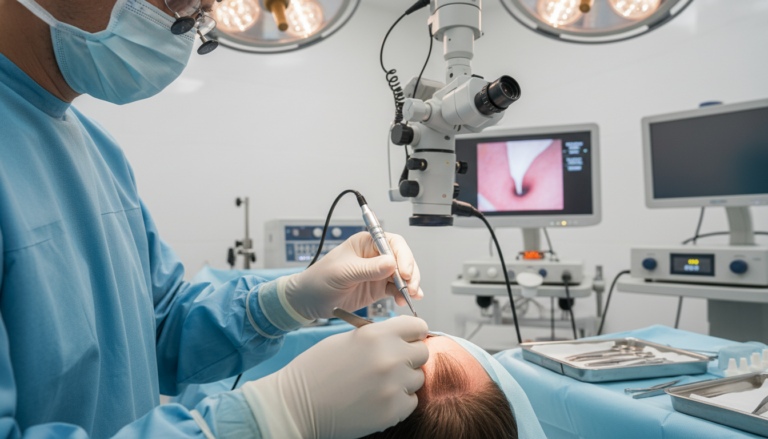
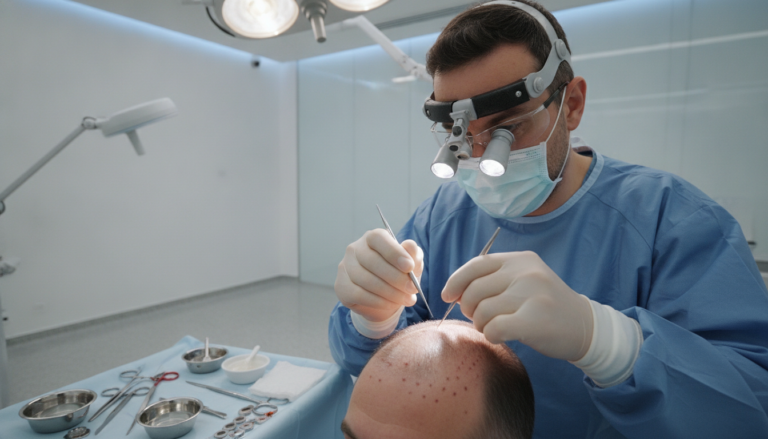
Advanced hair restoration options provide Canadian men with significant improvements, combining both surgical and non-surgical techniques as part of comprehensive male pattern baldness treatment. Surgical options, particularly follicular unit extraction (FUE) and its variants such as Sapphire FUE, are refined procedures that transfer healthy hair follicles into thinning regions. These surgical techniques typically provide permanent solutions with success rates that are well-documented in clinical studies.
Though surgical interventions require a recovery period and careful post-operative care, they offer robust and natural-looking results. Non-surgical methods, including laser therapies and topical applications, complement surgical approaches by promoting an optimal scalp environment for hair growth. Evaluating both surgical and non-surgical techniques necessitates careful consideration of expected recovery times, potential risks, and overall patient candidacy.
Surgical interventions, while more invasive, have evolved significantly due to advancements in procedural technology and enhanced anesthesia methods. Patients often experience minimal downtime and are advised to follow a structured post-operative regimen to maximize graft survival and ensure optimal integration with existing hair. Conversely, non-surgical treatments may be preferable for those in early stages of hair loss, offering less risk and gradual improvement with consistent use over time.
Clinicians stress the importance of setting realistic expectations regarding the extent of hair regrowth and the need for occasional maintenance treatments. Several key factors merit evaluation before selecting a treatment method. Cost considerations, individual health status, and the severity of hair loss play pivotal roles in determining the best treatment strategy. In Canada, the financial burden and extended wait times for such procedures can drive patients to consider international alternatives like those offered in Turkey.
Turkish clinics, renowned for their adherence to strict international safety guidelines, provide comprehensive care using cutting-edge technology and internationally trained specialists. By consulting with healthcare professionals and considering both immediate and long-term outcomes, patients can make informed decisions that best align with their lifestyle and aesthetic goals, ensuring their chosen treatment offers the highest level of safety and efficacy.
Conclusion
In summary, Canadian men facing hair loss must navigate both the complex nature of the condition and the myriad treatment options available. This article comprehensively detailed the various hair loss causes in men, ranging from genetic factors to lifestyle influences, and provided an in-depth comparison of conventional treatments versus natural alternatives. The discussion highlighted advanced hair restoration options available in Turkey, underscoring the benefits of prompt intervention and expert clinical care.
Such informed choices can significantly alter the progression of male pattern baldness treatment and restore self-confidence. Empowered with evidence-based insights, patients now understand the critical role early diagnosis and individualized therapy play in halting hair loss naturally. The article reiterates the core message of providing accessible, affordable, and high-quality healthcare solutions that help Canadians bypass long domestic wait times and excessive costs.
For personalized advice on your hair loss treatment journey, schedule a free medical consultation via WhatsApp at +905055002882. This proactive approach ensures that every patient receives care tailored to their unique condition, combining global expertise with compassionate, patient-centered service.