Zirconium vs Porcelain Crowns: Turkey Dental Comparison for Canadians

Summary
This comprehensive guide provides an in-depth comparison between zirconium and porcelain crowns for Canadian dental patients. It discusses material properties, clinical procedures, and cost implications of each crown type. Readers will gain clarity on durability, aesthetics, and biocompatibility, enabling informed choices for superior dental care in Turkey. The article explains the nuances in treatment outcomes to assist Canadians overcoming long wait times and inflated costs at home.
Zirconium vs Porcelain Crowns: Turkey Dental Comparison for Canadians
The term “zirconium crowns Turkey” introduces an advanced dental solution embraced by Canadian patients seeking improved dental aesthetics and functionality. In this detailed article, we explore the intrinsic differences between zirconium and porcelain crowns, focusing on material composition and clinical outcomes. Canadian dental patients often face long wait times and high costs, making it imperative to understand viable alternatives abroad. Turkey’s state-of-the-art dental clinics, operating under JCI-accredited standards, offer immediate treatment and cost savings while upholding rigorous safety protocols. This discussion outlines the benefits and limitations of each material, equipping patients with robust clinical insights to navigate their options. Additionally, the current dental landscape in Canada, characterized by prolonged wait periods and insurance limitations, pushes many to consider international solutions. Using advanced diagnostic tools and streamlined treatment methodologies, Turkish dental experts deliver precise outcomes and aesthetic enhancements. Through a detailed comparison of zirconium and porcelain crowns, this article provides a framework for evaluating treatment efficacy, durability, and overall patient satisfaction. Ultimately, it offers a pathway to accessible, affordable, and high-quality dental care, ensuring that Canadian patients make informed and confident decisions about their oral health.
Understanding Material Properties
Understanding the fundamental differences between zirconium and porcelain crowns plays a critical role in achieving durable and aesthetically pleasing dental restorations. Zirconium crowns, composed primarily of zirconium dioxide, offer superior strength, chemical stability, and excellent biocompatibility. In contrast, porcelain crowns are formulated from ceramic materials that provide a naturally translucent effect but can be more susceptible to fracture under high stress. Canadian patients evaluating these options must weigh the benefits of high strength and resistance to wear against the desire for natural appearance and color matching. The clinical performance of each material depends heavily on patient-specific factors, including occlusal forces, the position of the tooth, and overall oral hygiene. In the context of long-term dental health, material composition significantly influences treatment outcomes. Zirconia crowns exhibit remarkable resistance to chipping and are less prone to degradation compared to porcelain. However, porcelain crowns offer enhanced aesthetics due to their superior translucency, which mimics the natural tooth structure exceptionally well. Dental professionals in Turkey employ advanced material science to enhance both types, ensuring that crowns are both functional and visually appealing. The decision typically rests on the balance between achieving a flawless natural look and ensuring structural integrity, especially for posterior restorations where bite forces are higher.
Material Strength and Aesthetics
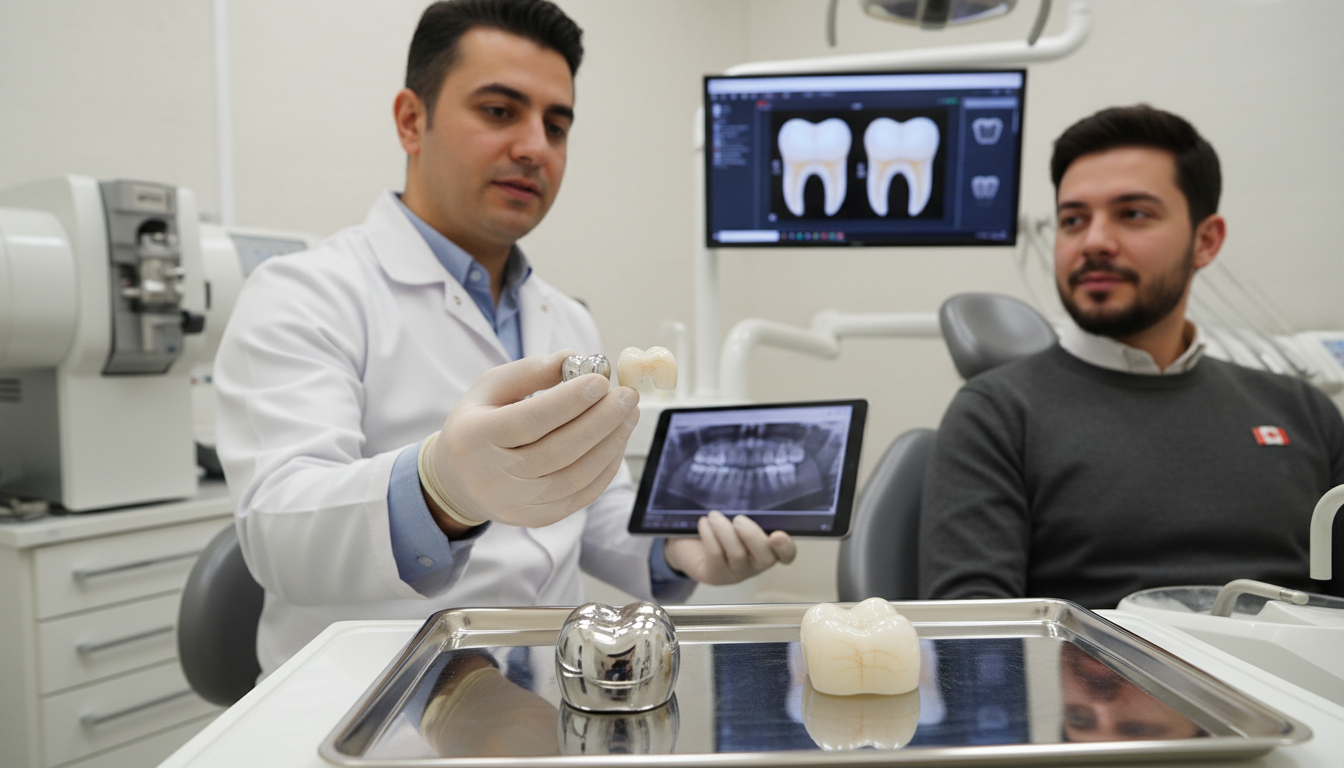
Both zirconium and porcelain crowns require meticulous laboratory fabrication, yet their fundamental differences reveal distinct clinical advantages. Zirconium crowns deliver exceptional mechanical strength and longevity, maintaining resilience under heavy occlusal loads. Their high fracture resistance makes them particularly suitable for molar restorations in patients with bruxism or heavy chewing forces. In comparison, porcelain crowns excel in aesthetic applications due to their ability to replicate the natural translucency and coloration of enamel, providing life-like dental restorations. Although porcelain crowns might require more lab-work precision and may be more prone to chipping if abnormally stressed, their natural appearance offers high patient satisfaction when the additional strength of zirconium is not required. Clinical decisions regarding the type of crown often involve a careful evaluation of the patient’s dental structure, aesthetic demands, and functional needs, particularly when considering zirconia crown cost in relation to overall treatment affordability. Turkish dental clinics emphasize patient-specific customization where material selection aligns perfectly with both clinical needs and cosmetic expectations. In clinical practice, thorough assessment of occlusion, periodontal health, and alignment guide the selection process. By integrating advanced imaging technologies, practitioners can simulate and predict crown performance, ensuring an optimal match between the chosen material and the oral environment. This precision-driven approach not only enhances the overall success rate of the procedure but also significantly improves patient satisfaction. Ultimately, understanding material properties empowers dental patients to make informed decisions that harmonize durability with aesthetic appeal, thereby delivering a balanced, long-term restorative solution.
Procedure and Clinical Considerations
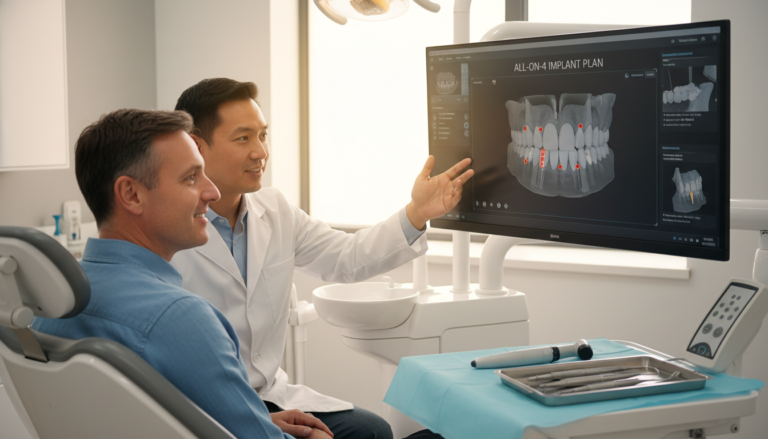
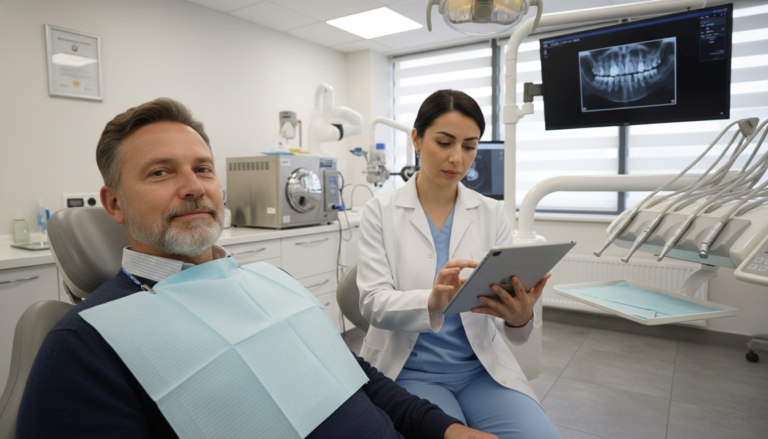
Dental crowns, whether zirconium or porcelain, require a detailed clinical procedure from initial diagnosis to final placement. In Turkey, dental professionals emphasize stringent diagnostic protocols and pre-treatment assessments that accurately determine the suitability of either crown type for the individual patient. The process commences with a thorough consultation during which detailed imaging, including digital radiographs and 3D scans, are utilized to diagnose underlying dental issues. This ensures that the selected crown material not only fits perfectly but also integrates seamlessly with the patient’s natural dental architecture. Rigorous diagnostic assessments inform the choice between zirconium and porcelain crowns based on patient-specific functional needs and aesthetic demands. The pre-treatment phase involves preparation of the affected tooth, which is crucial for crown placement. The tooth is reshaped to accommodate the crown, and impressions are taken to ensure a precise fit. Technologically advanced dental labs in Turkey facilitate the fabrication of customized crowns using computer-aided design and manufacturing (CAD/CAM) techniques. This level of precision minimizes human error and maximizes clinical outcomes by ensuring that the crown conforms exactly to the prepared tooth structure. Subsequent to the restoration design, a trial fitting is often performed to verify the crown’s alignment, occlusion, and esthetic integration with adjacent teeth.
Pre-Treatment and Procedure Steps
- Comprehensive Diagnostic Assessment: The procedure begins with comprehensive imaging and clinical evaluations to assess tooth structure, occlusion, and the health of surrounding tissues. These evaluations guide the choice between zirconium and porcelain crowns and ensure that the patient’s unique dental anatomy is respected. Modern digital imaging techniques facilitate precise mapping of the dental morphology, thereby enhancing treatment accuracy.
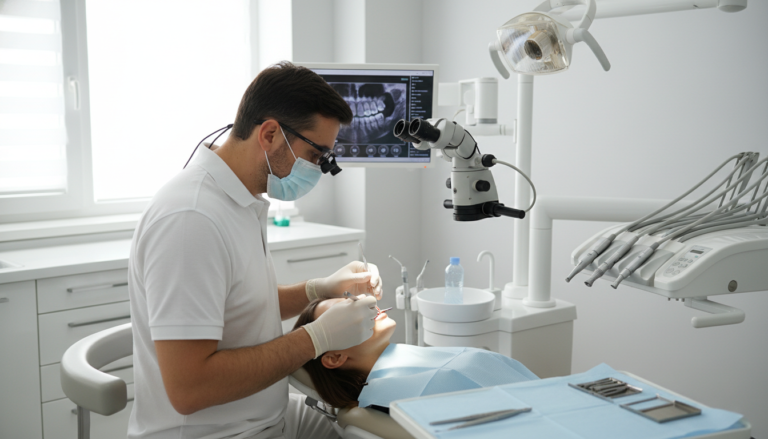
- Tooth Preparation and Impression: Following diagnosis, the affected tooth undergoes careful reshaping to create an appropriate base for crown placement. An impression of the prepared tooth is taken using high-precision materials which serve as a blueprint for fabricating the crown. This step is critical in securing optimal crown adaptation and ensuring efficient stress distribution once the restoration is in place.
- Crown Fabrication and Fitting: Utilizing CAD/CAM technology, dental technicians in Turkey fabricate the crown in a controlled laboratory setting. A provisional crown is often placed temporarily to protect the prepared tooth while the permanent crown is being made. Once the crown’s fabrication is complete, it is meticulously fitted and adjusted to ensure perfect occlusion, comfort, and aesthetics. The entire process is supervised by experienced dental professionals committed to maintaining the highest standards of patient safety and procedural excellence. This detailed procedural approach underscores Turkey’s commitment to deploying technology and clinical expertise to deliver optimal outcomes for dental crowns. The emphasis on pre-operative assessments and precise laboratory work allows Turkish dental clinics to achieve unparalleled precision in crown placement. Such meticulous attention to detail boosts patient confidence and contributes to the long-term success and durability of the restoration, thus aligning with the core promise of accessible, affordable, and quality healthcare for Canadian patients.
Cost Analysis and Patient Decision Factors
Evaluating the financial aspects of dental restorations constitutes an integral part of the decision-making process for Canadian patients. The cost of zirconium and porcelain crowns varies significantly due to differences in material composition, laboratory procedures, and overall treatment protocols. Zirconium crowns, known for their superior strength and longevity, often carry a higher initial price tag but may be more cost-effective in the long run when factoring in fewer repairs or replacements. Porcelain crowns, while sometimes less expensive upfront, may necessitate more frequent maintenance, particularly in areas subject to greater wear and tear. When assessing zirconia crown cost, patients must consider not only the direct expense of the crown but also the associated procedural fees, laboratory costs, and the expected lifespan of the restoration. In Turkey, dental practices offer competitive pricing that can reduce the financial burden significantly compared to Canadian market rates. Advanced dental clinics equipped with the latest CAD/CAM technologies assist in optimizing material usage and reducing wastage, thereby directly lowering the overall treatment cost. Furthermore, many Turkish dental providers offer all-inclusive packages that integrate pre-operative evaluations, crown fabrication, and post-operative care into a single, transparent fee structure. Such comprehensive pricing models simplify the budgeting process and provide predictable financial planning for patients. For Canadian patients confronting high dental costs and extended wait times, the financial benefits of opting for dental crowns Turkey are particularly compelling. When comparing cost factors, it is essential to account for long-term value and overall quality of care. Canadian patients benefit not only from lower treatment costs but also from reduced wait times and immediate access to care. The cost analysis shows that, despite variations in initial pricing, the durability and reduced maintenance frequency of zirconium crowns may offer superior long-term investment compared to porcelain alternatives. Detailed consultations with Turkish dental specialists incorporate a comprehensive review of patient needs, expected treatment outcomes, and ongoing care protocols. This thorough approach ensures that patients make economically sound decisions without compromising on clinical quality and aesthetic results. Ultimately, when evaluating the overall cost and value of dental crowns, it becomes evident that the financial advantages of treatments in Turkey align with the broader goal of accessible, affordable, and high-quality healthcare. Canadian patients are encouraged to consider these factors as they explore the best dental restoration options that meet both their functional and financial requirements.
Conclusion
In summary, zirconium and porcelain crowns present distinct clinical benefits that cater to diverse patient needs. Zirconium crowns provide superior strength and durability with exceptional resistance to wear, while porcelain crowns offer unmatched aesthetics through natural translucency and color matching. This article has examined material properties, procedural protocols, and cost implications, emphasizing how each factor influences treatment outcomes and long-term dental health. The detailed clinical insights provided here help Canadian patients navigate the often complex decision-making process for dental restorations. For Canadian patients facing long wait times and high dental expenses, Turkish dental clinics offer a valuable alternative with advanced technology, rigorous safety measures, and competitive pricing. The analysis underscores the importance of considering both functional performance and aesthetic appeal when choosing between zirconium and porcelain crowns. For further personalized information and to discuss your crown options, contact us via WhatsApp at +905055002882 to schedule your consultation. This comprehensive approach ensures that you receive accessible, affordable, and world-class dental care in Turkey, tailored to your unique clinical needs and financial considerations.