Sapphire FUE vs Traditional Hair Transplant for Canadians

Summary
This article examines the differences between Sapphire FUE and traditional hair transplant techniques with a focus on procedure details, candidate criteria, recovery timelines, and cost factors. Canadian patients will gain a clear, medically accurate overview to help decide which method best suits their needs. The discussion emphasizes advanced approaches available in Turkey, addressing critical factors such as precision, healing outcomes, and overall value for those seeking hair restoration solutions.
In Canada, many individuals suffer from hair loss and seek reliable, affordable treatment. The sapphire fue hair transplant presents a modern solution enhanced by precision instrumentation, while traditional methods remain commonly used. Canadian patients, confronted with long wait times and rising costs, benefit from exploring Turkey’s advanced medical treatments.
This article details who can benefit from each technique, where these procedures are performed, when to consider them, and why a thorough comparison is essential. By understanding both methodologies, patients can better navigate their treatment options while ensuring safety and high quality care. Turkey has become a global destination for advanced hair restoration, with clinics offering state-of-the-art facilities and JCI-accredited standards.
Canadian patients looking to bypass extensive wait periods at home are increasingly considering treatments abroad. With a focus on cost savings and immediate access to care, the sapphire fue hair transplant and traditional procedures are being closely evaluated. This comprehensive comparison provides readers with actionable clinical insights to ensure best-in-class care in a supportive, well-regulated medical tourism environment.
Understanding Sapphire FUE Technique vs Traditional Method
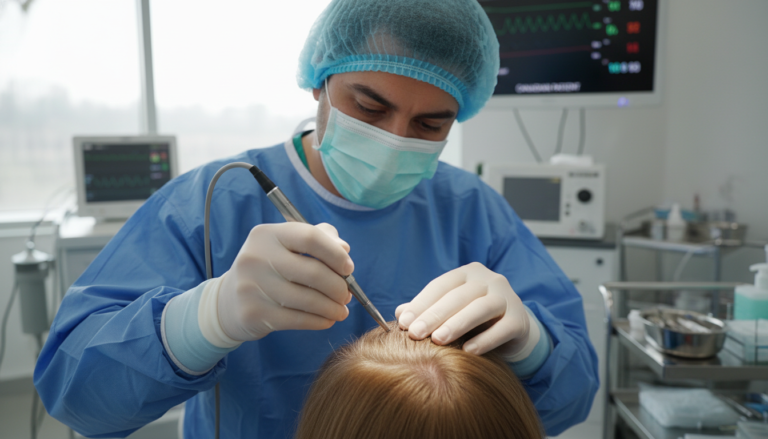
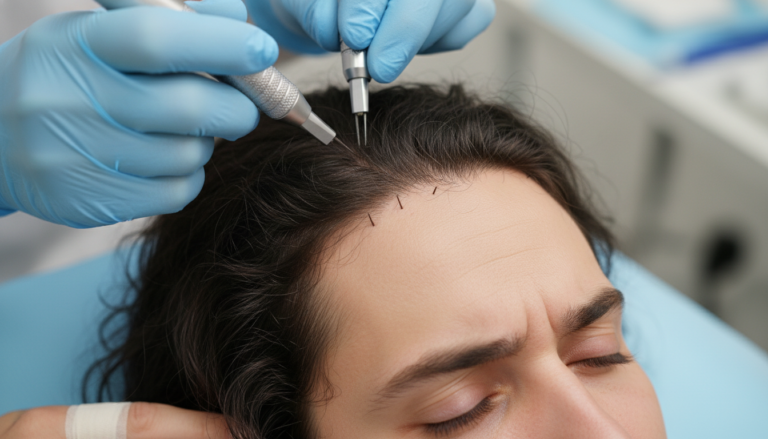
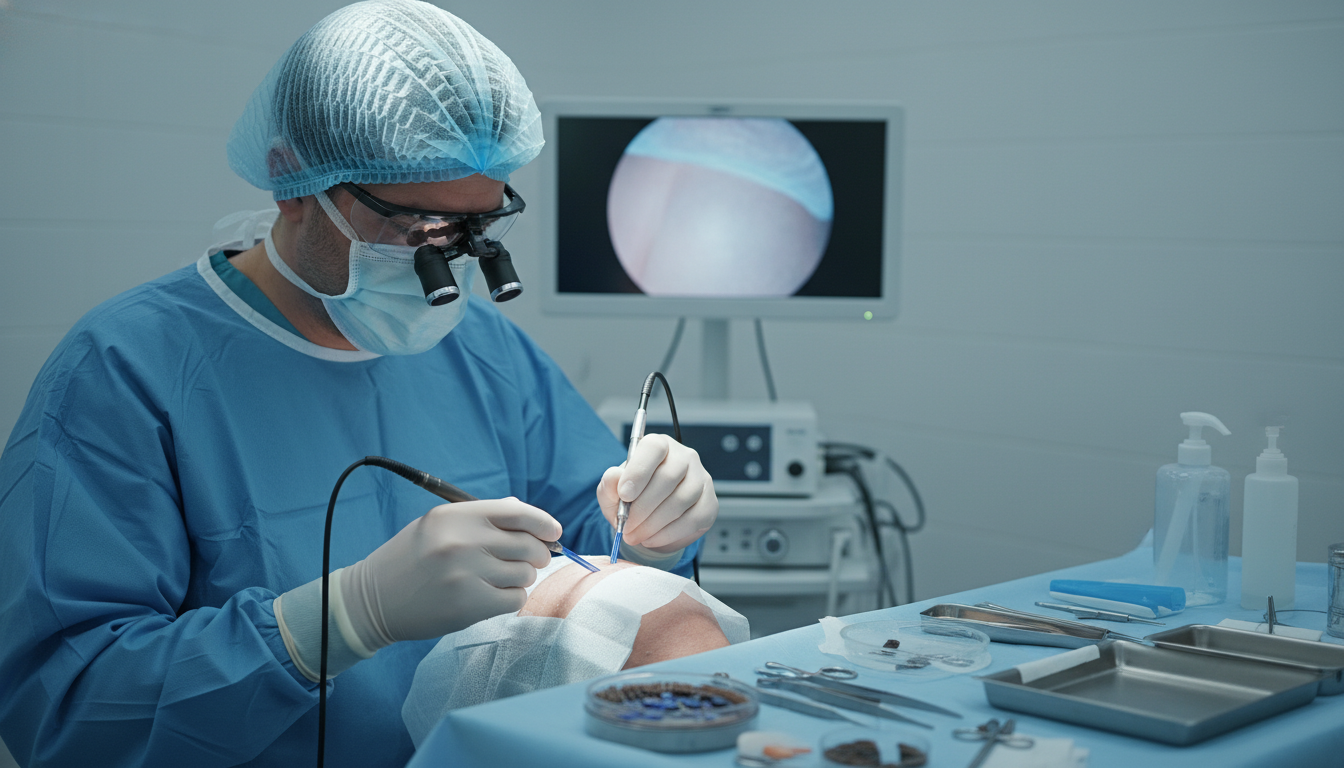
The Sapphire FUE technique represents an evolution in hair transplant procedures, integrating innovative technology with precision and safety. In this method, surgeons utilize sapphire blades to create ultra-precise incisions, which leads to minimized tissue trauma and enhanced graft survival. The use of sapphire blade hair transplant technology allows for more refined incisions compared to traditional methods.
This advanced technique results in improved healing outcomes and better aesthetic results, which is particularly crucial for Canadian patients facing long wait times and seeking improved quality compared to conventional methods. The sapphire fue hair transplant approach emphasizes accuracy and decreased post-operative discomfort, ensuring that patients experience a smoother recovery and more natural hair regrowth.
Sapphire FUE begins with a detailed assessment, during which the scalp is prepared using specialized instruments designed to create incisions of uniform depth and width. Surgeons using sapphire blades create precise recipient sites, allowing hair grafts to be implanted with minimal disruption to surrounding tissue. This technical precision not only reduces inflammation but also enhances the survival rate of the transplanted hair follicles.
In contrast, the traditional hair transplant approach uses metal or conventional blades which, while effective, may result in slightly larger incisions and increased tissue trauma. This can lead to a longer healing period and, in some cases, less natural-looking results. The technical advantage of the sapphire blade hair transplant lies in its ability to limit scarring and promote a more aesthetic distribution of hair.
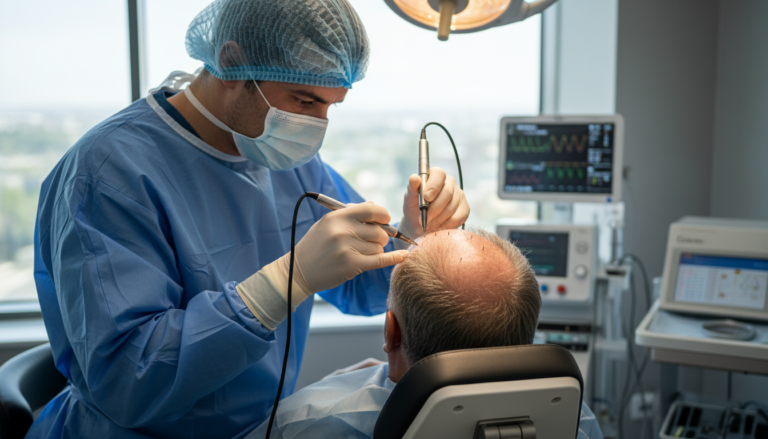
Traditional FUE procedures have a long-standing history in hair restoration but generally involve a more invasive technique. With conventional methods, the incisions are made using standard surgical tools that may not offer the same level of precision. This can sometimes result in increased bleeding and swelling, with a recovery period that is modestly extended.
Although both techniques are effective, patients opting for the sapphire fue hair transplant benefit from enhanced procedural accuracy and potentially faster post-operative recovery. The precision of sapphire blades is especially beneficial for individuals with limited donor hair density. Combined with experienced Turkish surgeons, this method stands out as one of the most advanced hair transplant techniques available. Overall, understanding these differences allows patients to make informed decisions based on clinical benefits, recovery outcomes, and personal aesthetic goals.
Candidacy, Preparation, and Technical Considerations
Selecting the right candidate for either Sapphire FUE or traditional hair transplant methods requires careful assessment and detailed evaluations. Ideal candidates for both techniques are typically individuals experiencing androgenetic alopecia or other forms of hair loss who have realistic expectations regarding the treatment outcomes. Canadian patients are encouraged to undergo a comprehensive pre-operative assessment, which includes a review of their medical history, evaluation of scalp condition, and discussion of long-term aesthetic goals.
Medical professionals consider factors such as donor hair availability, general health, and previous scalp surgeries to determine the best approach for each individual. A clear understanding of these criteria helps patients appreciate why the sapphire fue hair transplant is increasingly favored for its precision and minimal invasiveness. Pre-operative evaluation further involves discussing potential risks and benefits of each approach and detailed planning for the procedure.
For patients opting for Sapphire FUE, technical nuances such as the use of sapphire blades are emphasized as a critical component that sets this method apart. Surgeons explain that the utilization of sapphire blades results in uniform incisions which promote faster healing and reduce inflammation, thus optimizing graft placement. In contrast, traditional methods, while effective, might involve slightly higher degrees of tissue trauma due to less refined tools and techniques.
This elevated trauma can contribute to a longer recovery period and more pronounced swelling in some individuals. Patients preparing for a hair transplant must also adhere to specific guidelines regarding medication adjustments, lifestyle changes, and hair care practices before the procedure. Detailed pre-operative instructions may include avoiding blood-thinning agents, following a designated scalp care regimen, and scheduling a consultation session to align treatment expectations.
Turkish clinics, known for their comprehensive care packages, provide personalized consultations and necessary diagnostic tests to ensure that patients meet the required candidacy standards. The integration of advanced technology like the sapphire blade hair transplant technique not only enhances procedural outcomes but also offers a safer and more predictable recovery. This focus on meticulous pre-operative preparation underscores why the Sapphire FUE method is recognized as the most advanced hair transplant technique available today, offering significant advantages over traditional approaches.
Recovery, Outcomes, and Cost Considerations
Post-operative recovery plays a critical role in the overall success of any hair transplant procedure. For both Sapphire FUE and traditional methods, patients are provided with detailed post-operative care instructions to ensure optimal healing and hair regrowth. Immediately after the surgery, patients may experience mild swelling and discomfort, which usually subside within a few days. The use of sapphire blades in the Sapphire FUE technique, however, tends to reduce these post-operative side effects, allowing for a smoother and often shorter recovery period.
Canadian patients can expect a tailored recovery plan that includes medication guidance, scalp care protocols, and scheduled follow-up visits to monitor progress. A typical recovery timeline involves an initial healing phase lasting one to two weeks, during which patients must avoid strenuous activity and adhere strictly to post-operative care instructions. The regrowth of transplanted hair generally becomes noticeable within three to four months, with significant density improvements visible by the six-month mark.
In the case of Sapphire FUE, the precise nature of the incisions minimizes scarring and inflammation, contributing to more predictable aesthetic outcomes. While traditional hair transplants follow a similar recovery schedule, the increased tissue trauma can occasionally prolong healing and contribute to a less uniform hair regrowth pattern. Surgeons emphasize that both methods yield positive results when patients maintain a disciplined post-operative routine.
When discussing cost, it is imperative to recognize that Turkish medical tourism offers significant savings compared to Canadian prices. The financial investment in a Sapphire FUE procedure is often offset by the advanced technology and enhanced recovery profile offered by sapphire blade hair transplant techniques. Turkish clinics provide transparent pricing models with all-inclusive packages that cover pre-operative evaluations, surgical procedures, post-operative care, and even luxury accommodations.
This integrated approach affords Canadian patients the dual benefits of high-quality care and substantial cost savings, often achieving 50-70% reductions compared to domestic treatments. Ultimately, the decision between Sapphire FUE and traditional methods involves weighing clinical outcomes, recovery expectations, and overall value, with many patients favoring the advanced, less invasive approach offered by Sapphire FUE.
Conclusion
In summary, the differences between Sapphire FUE and traditional hair transplant methods center on procedural precision, recovery outcomes, and cost-effectiveness. The Sapphire FUE technique, utilizing advanced sapphire blades, offers refined incisions that minimize tissue trauma and promote quicker healing with more natural results. In contrast, traditional methods, while effective, might experience slightly prolonged recovery periods due to less precise instrumentation.
This comprehensive comparison provides Canadian patients with essential insights into candidate selection, procedural nuances, and post-operative care best practices, ensuring they can make informed decisions about their hair restoration journey. For Canadians facing long wait times and high costs at home, these advanced treatment options in Turkey offer a valuable alternative.
With a focus on accessible, affordable, and high-quality care, both methods serve to restore confidence and improve quality of life. Schedule a free medical consultation to discuss which hair transplant technique best suits your needs. For more details, message us directly on WhatsApp at +905055002882.
By drawing on the expertise of internationally trained Turkish specialists in JCI-accredited facilities, Canadian patients gain immediate access to world-class care tailored to individual clinical and aesthetic goals.