
FUE Hair Transplant Turkey for Canadians: Affordable, Expert Care

Summary
This article provides Canadian men with an in-depth overview of the FUE hair transplant procedure in Turkey. It explains the detailed clinical process, outlines pre-operative and post-operative protocols, and compares hair transplant costs between Canada and Turkey. With insights into candidate eligibility and realistic outcomes, readers receive a comprehensive guide to informed decision-making for their hair restoration journey.
Hair transplant turkey procedures offer Canadian men an advanced solution to hair loss concerns by leveraging the minimally invasive FUE technique in Turkey’s state-of-the-art clinics. Canadian patients who face extended wait times and high costs at home increasingly turn to international options, where modern technology meets clinical expertise.
This introduction outlines who qualifies for the procedure, what the FUE method entails, where high-quality care is provided, when the procedure is ideally performed, and why the medical tourism journey to Turkey has become a popular solution. The clinical process maintains transparency regarding patient safety, success rates, and realistic outcomes in a structured, evidence-based approach.
By addressing these 5Ws, this article provides a clear perspective for Canadian men considering FUE hair transplants in Turkey. For many Canadian men, the high cost and long waiting periods for hair restoration in domestic settings create significant barriers. The FUE hair transplant procedure in Turkey not only addresses these challenges but also offers access to JCI-accredited clinics and internationally trained specialists.
Through an extensive review of the procedure’s technical aspects and comprehensive pre- and post-operative care, this article provides clear insights to help patients make informed decisions. These details underscore the clinical benefits tied to reduced wait times and cost savings while ensuring quality and safety remain paramount.
Understanding the FUE Hair Transplant Procedure
The FUE hair transplant procedure distinguishes itself through precision and minimal invasiveness, making it a very appealing option for Canadian men seeking hair restoration. This section explains the technical aspects of follicular unit extraction and subsequent implantation, highlighting advanced technology used by Turkish clinics to ensure high graft survival rates.
Emphasizing state-of-the-art methods, the explanation details how each individual hair follicle is carefully extracted and meticulously replanted to achieve natural density and coverage. The process leverages microscopic surgical techniques and automated systems that maximize precision while minimizing patient discomfort. With a focus on clinical excellence, this section also underscores the benefits of reduced scarring and accelerated healing compared to traditional methods.
Procedure Overview and Technique
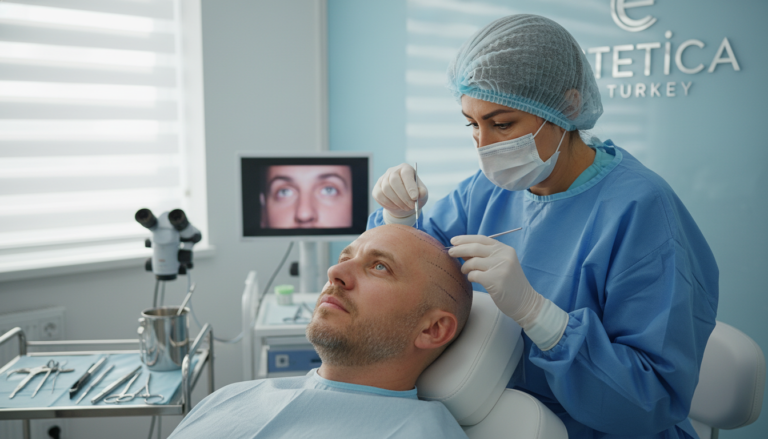
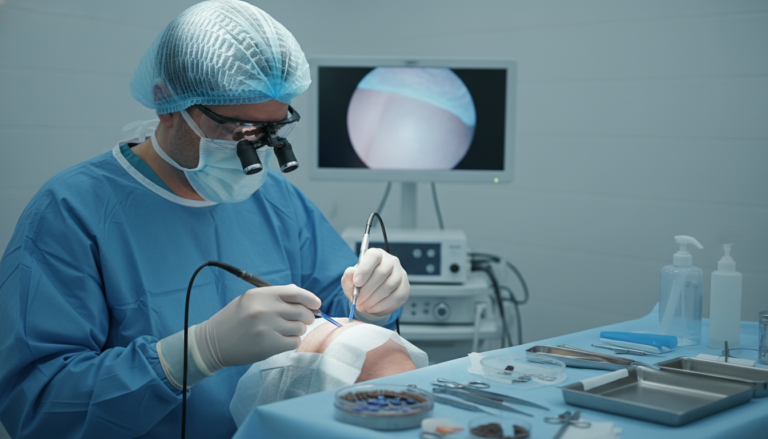
During the FUE technique, surgeons extract single hair follicles from the donor area using ultra-sharp micro-punch tools specifically designed to preserve follicular integrity. The extraction process typically takes several hours depending on the number of grafts needed, and each follicle is then carefully prepared for implantation. Turkish clinics utilize digital imaging and advanced robotics-assisted devices to ensure consistency, thereby enhancing the precision of the extraction and implantation phases.
This step-by-step methodology serves to maximize the survival rate of the transplanted follicles, ensuring that the final aesthetic outcome closely mimics natural hair growth. Furthermore, the contemporary approach minimizes the need for linear incisions, which consequently reduces patient downtime and post-operative care complexity.
Expected Outcomes and Safety Measures
Realistic patient expectations are essential for a successful FUE procedure. Patients are informed that noticeable improvements in hair density generally occur several months post-surgery, as the transplanted hair enters the natural growth cycle. Clinics in Turkey adhere to strict safety protocols with comprehensive sterilization procedures and infection control measures, and follow internationally recognized standards including JCI accreditation.
Surgeons provide detailed assessments based on individual hair loss patterns, ensuring that the aesthetic goals align with achievable outcomes. As a result, patients can expect natural-looking hair restoration with minimal scarring and a low risk of complications. The care teams also maintain 24/7 patient support services to monitor recovery and address any concerns during the healing period.
The use of the FUE technique has demonstrated high success rates among candidates when performed in experienced and accredited facilities. With a clear focus on patient safety and realistic post-operative results, the procedure is supported by robust follow-up protocols designed to ensure optimal graft retention. Both qualitative and quantitative results from previous patients reinforce the reliability of these advanced Turkish clinics. As Canadian men explore hair transplant options abroad, understanding the detailed clinical process and associated safety measures proves crucial in building confidence in the treatment choice.
This combination of technical expertise, safety, and patient-centered care forms the foundation of Turkey’s reputation as a global leader in hair restoration surgery.
Evaluating Candidacy and Pre-Operative Considerations
Determining the right candidate for an FUE hair transplant is the first critical step in the journey toward renewed self-confidence. This section elaborates on the specific health factors, age considerations, and hair loss patterns that qualify a patient for treatment. Canadian men often experience androgenetic alopecia, and the FUE method suits those with sufficient donor hair density and realistic aesthetic goals. Physicians conduct comprehensive medical examinations, including scalp analyses and hormonal evaluations, to ensure that each candidate presents an optimal profile for success. The goal remains to maximize the clinical outcome while minimizing potential complications.
Candidacy Criteria for Optimal Results
Eligibility for an FUE hair transplant hinges on several key factors, including the extent of hair loss, the quality of donor hair, and overall health. Men experiencing patterned hair loss, particularly androgenetic alopecia, often present as excellent candidates due to predictable hair thinning patterns. Lifestyle choices and chronic health conditions are also carefully considered; for instance, patients with well-managed chronic illnesses may proceed if they meet the specific surgical criteria.
Thorough evaluations help identify potential contraindications such as active scalp infections, uncontrolled medical conditions, or unrealistic expectations regarding results. By having an honest pre-operative discussion, patients and clinicians can determine the ideal timing and treatment plan to secure lasting benefits from the procedure.
Preparation and Consultation Process
Prior to surgery, Canadian patients participate in a detailed consultation process that includes medical history evaluations and diagnostic testing such as blood work and scalp imaging. Surgeons assess the degree of hair loss and discuss the technical aspects of the FUE procedure while explaining what patients should realistically expect in terms of hair density and growth timelines.
A critical component of the preparation phase is managing patient expectations and aligning them with the surgical plan. Some clinics recommend stopping certain blood thinners or supplements to reduce bleeding and promote healing. Additionally, candidates may receive personalized advice on optimizing nutritional intake and living habits to enhance post-operative recovery.
This comprehensive pre-operative preparation ensures that patients remain well-informed and ready for the surgical journey ahead, thereby maximizing the procedure’s overall success and safety. A supportive consultation environment reinforces patient trust and offers an opportunity for individuals to have all questions answered before proceeding. Clinicians share documented before and after case studies and explain how tailored treatment plans correlate with individual needs. Detailed planning also covers insurance aspects, travel logistics, and aftercare strategies. By presenting this holistic approach, Turkish clinics provide a seamless transition from initial consultation to the final post-operative phase, ensuring that every patient receives care that is both personalized and reflective of international standards.
Ultimately, this rigorous pre-operative evaluation builds confidence in the treatment decision, making it a robust alternative for Canadian patients facing domestic wait times and high costs.
Post-Operative Care, Results, and Cost Analysis: Canada vs Turkey
After a successful FUE hair transplant, a structured post-operative care plan becomes essential for optimal results. This section examines detailed recovery protocols, realistic outcomes, and an in-depth cost analysis between Canadian and Turkish options. Patients benefit from a clear timeline outlining critical milestones such as scalp cleaning, follow-up consultations, and gradual hair regrowth. Adherence to aftercare instructions, including the use of prescribed medications and protective measures against infections, plays a pivotal role in ensuring undisturbed healing.
Turkish clinics emphasize comprehensive support to help patients navigate each step of the recovery process, fostering superior outcomes in hair density and aesthetics.
Recovery Timeline and Aftercare
The recovery period following an FUE procedure is characterized by several distinct phases, each contributing to long-term success. Patients typically experience mild swelling and redness during the initial 48-72 hours post-surgery, and clinicians advise gentle handling of the transplanted area to prevent dislodging grafts. Regular follow-up visits occur within the first week to monitor healing progress and address any potential complications. As the scalp stabilizes, patients gradually resume daily activities, though strenuous physical exercise may be deferred for a short period.
Specific aftercare protocols, including the use of medicated shampoos and anti-inflammatory medications, support the scalp’s recovery and help optimize graft survival rates. Patient education on proper cleaning techniques and sun protection is also emphasized, ensuring that every step is followed meticulously for the best aesthetic outcomes.
Cost Breakdown and Before & After Results
The cost comparison between hair transplant procedures in Canada and Turkey highlights a significant financial advantage for international patients. In Canada, surgical fees for a hair transplant can be prohibitively expensive due to higher operational costs and extended wait times, while Turkey offers packages that provide 50-70% savings without compromising on quality.
Detailed packages in Turkey often include pre-operative consultations, comprehensive surgical care, post-operative follow-ups, and even luxury accommodations during recovery. Many clinics publish documented before and after images, reinforcing the credibility of results achieved via the FUE technique. This transparent cost breakdown not only enhances patient trust but also demonstrates that high-quality care is attainable at a fraction of the expense compared to domestic alternatives.
The structured pricing models in Turkey also address hidden costs and streamline expenses to ensure patients have a complete understanding of their investment in long-term hair restoration. Clear information regarding service inclusions, such as VIP airport transfers and 24/7 patient coordinators, further underscores the quality of care delivered by international centers. Testimonials from previous patients, supported by photographic evidence of successful outcomes, serve as an additional layer of reassurance.
This robust comparative analysis ultimately helps Canadian men evaluate their options critically and choose a treatment plan that aligns with their clinical needs and financial situations, making Turkey a compelling destination for those facing delays and high costs at home.
Conclusion
In summary, this article has provided a comprehensive exploration of the FUE hair transplant procedure, tailored specifically for Canadian men. We discussed the technical details of the minimally invasive FUE technique, clearly outlining the extraction and implantation phases along with the stringent safety measures practiced in Turkey’s top-tier clinics.
The discussion extended into candidate eligibility, pre-operative preparation, and thorough post-operative care protocols. Detailed comparisons between Canadian and Turkish cost structures highlighted significant financial advantages when opting for treatment abroad. The clinical insights shared throughout empower patients to set realistic expectations and appreciate the value of advanced medical care.
Canadian patients now have access to affordable, quality healthcare that bypasses domestic wait times and high costs. This in-depth guide reiterates the core message that world-class medical care is accessible through international options, ensuring safety, transparency, and exceptional patient outcomes.
Book your consultation now via WhatsApp at +905055002882 for personalized guidance on your FUE hair transplant journey and take the first step toward achieving your desired hair restoration results with confidence and clarity.