DHI Hair Transplant in Turkey: Method Explained for Canadians
Summary
This comprehensive guide explains the innovative DHI hair transplant method, a direct hair implantation technique performed in Turkey. It details the unique no-shave option, outlines the procedural steps, and reviews candidacy, potential side effects, and recovery expectations. Canadian patients will learn how the DHI approach compares with traditional FUE techniques to address long wait times and high costs at home.
The guide offers medically accurate insights designed to empower those considering hair restoration. It provides a clear overview of the treatment’s technological advantages and offers an evidence-based framework for informed decision-making. The Canadian context emphasizes accessible, affordable, quality healthcare alternatives through advanced Turkish methods.
The introduction below presents who can benefit from this procedure, the detailed process, and comparative analysis with traditional methods. Direct hair implantation remains at the forefront of advanced hair transplant solutions. Canadian patients, facing extended wait times and escalating costs in their domestic healthcare system, increasingly turn to innovative procedures in Turkey.
The DHI hair transplant procedure, performed in world-class, JCI-accredited facilities, offers an attractive alternative by using a no-shave technique that enhances aesthetic outcomes. This treatment is especially beneficial for those desiring minimal downtime and natural-looking results. With direct hair implantation, the procedure embeds hair follicles into thinning or balding areas, ensuring a more precise and dense regrowth.
In Canada, where procedural delays and high expenses often deter timely intervention, exploring DHI in Turkey allows immediate access to advanced care. Patients can avail themselves of comprehensive packages that include luxury accommodation and continuous support from dedicated patient coordinators. The combination of medical excellence and affordability positions the DHI method as a top choice for individuals seeking quality hair restoration without the prolonged wait typical in Canada.
Driven by the need for innovative and accessible healthcare, this article delves into the specifics of the DHI technique, compares it to the FUE method, and explains the detailed procedural steps along with recovery expectations, ensuring readers gain complete clarity on the procedure.
Understanding the DHI Hair Transplant Procedure
The DHI hair transplant procedure distinguishes itself through its direct hair implantation technique, which is refined to maximize precision and aesthetic outcomes. This method involves the careful extraction and implantation of hair follicles without the need for a pre-shave, thereby preserving the natural appearance during and after the procedure. Canadian patients enjoy the benefits of a technologically advanced approach that minimizes scarring and results in a denser hair appearance.
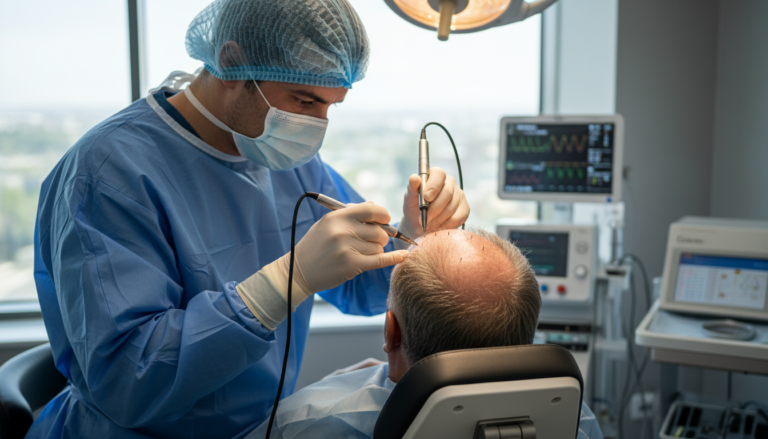
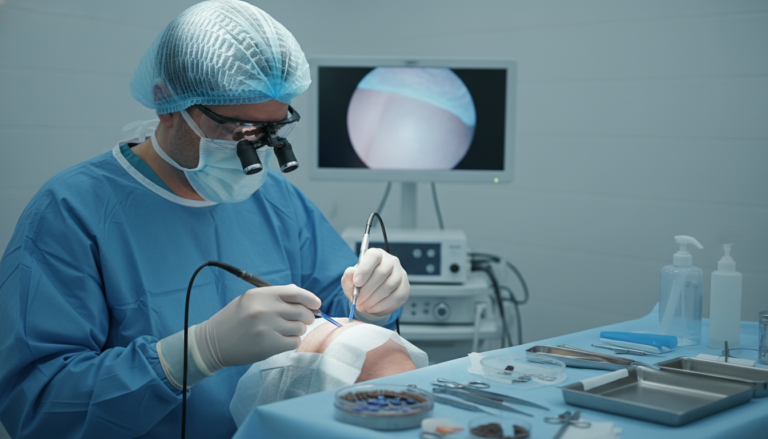
The procedure relies on sophisticated tools and experienced medical professionals who perform the implants with utmost accuracy. DHI hair transplant Turkey offers a unique advantage over other methods by using specialized instruments that allow simultaneous extraction and implantation. This process not only enhances the viability of hair grafts but also ensures fast recovery with minimal discomfort.
Each step of the procedure, from pre-operative consultation to the final implantation, is meticulously planned and executed to cater to individual patient needs. The no-shave option integrates seamlessly within the DHI technique, providing an aesthetic advantage by eliminating the temporary appearance of surgical intervention.
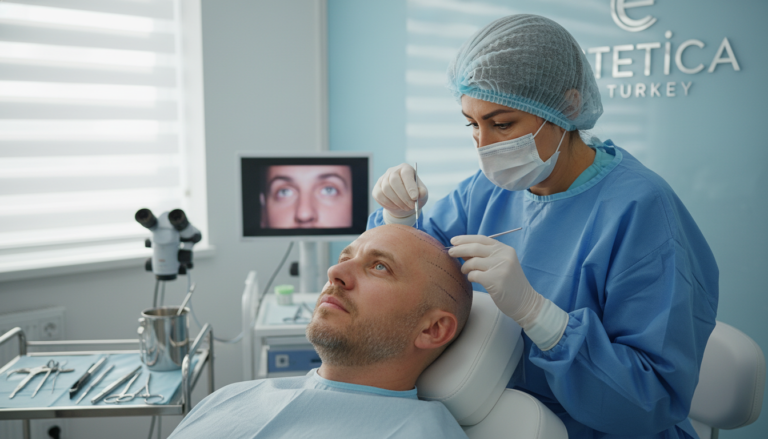
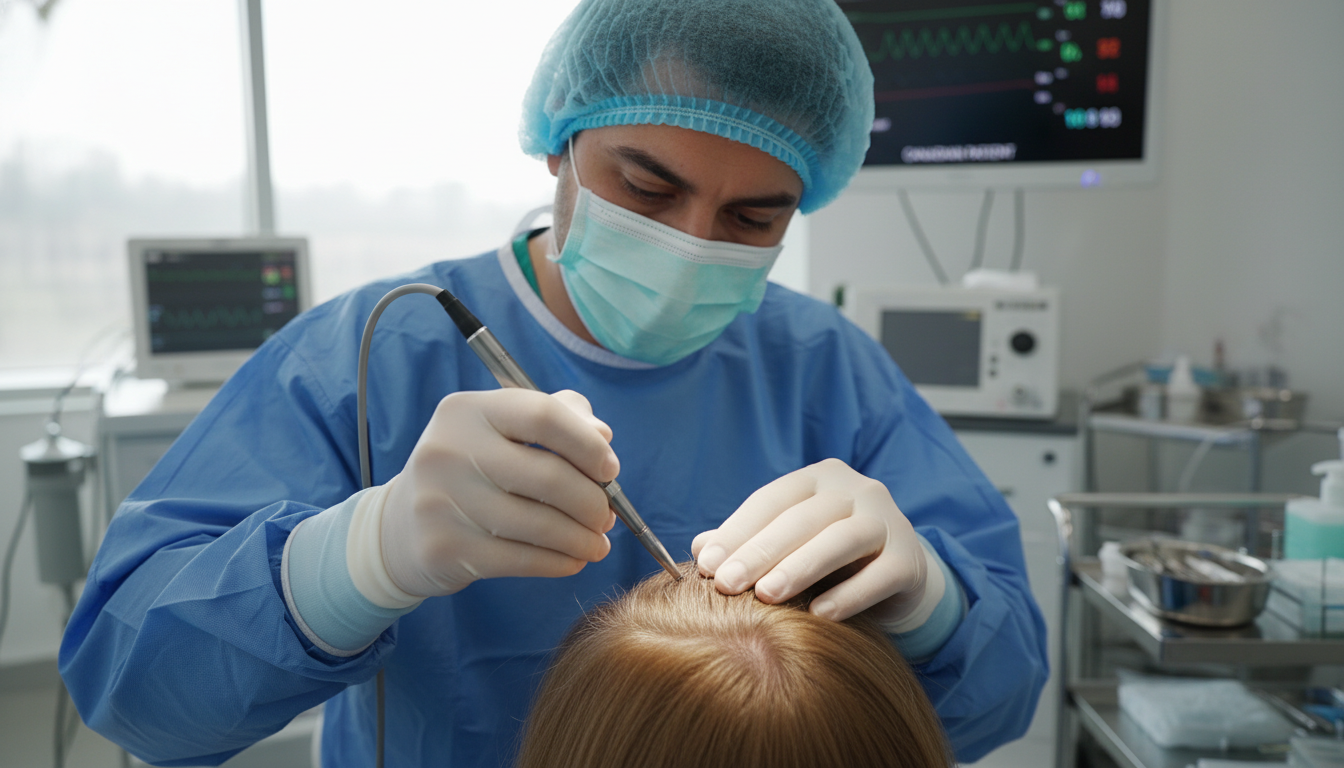
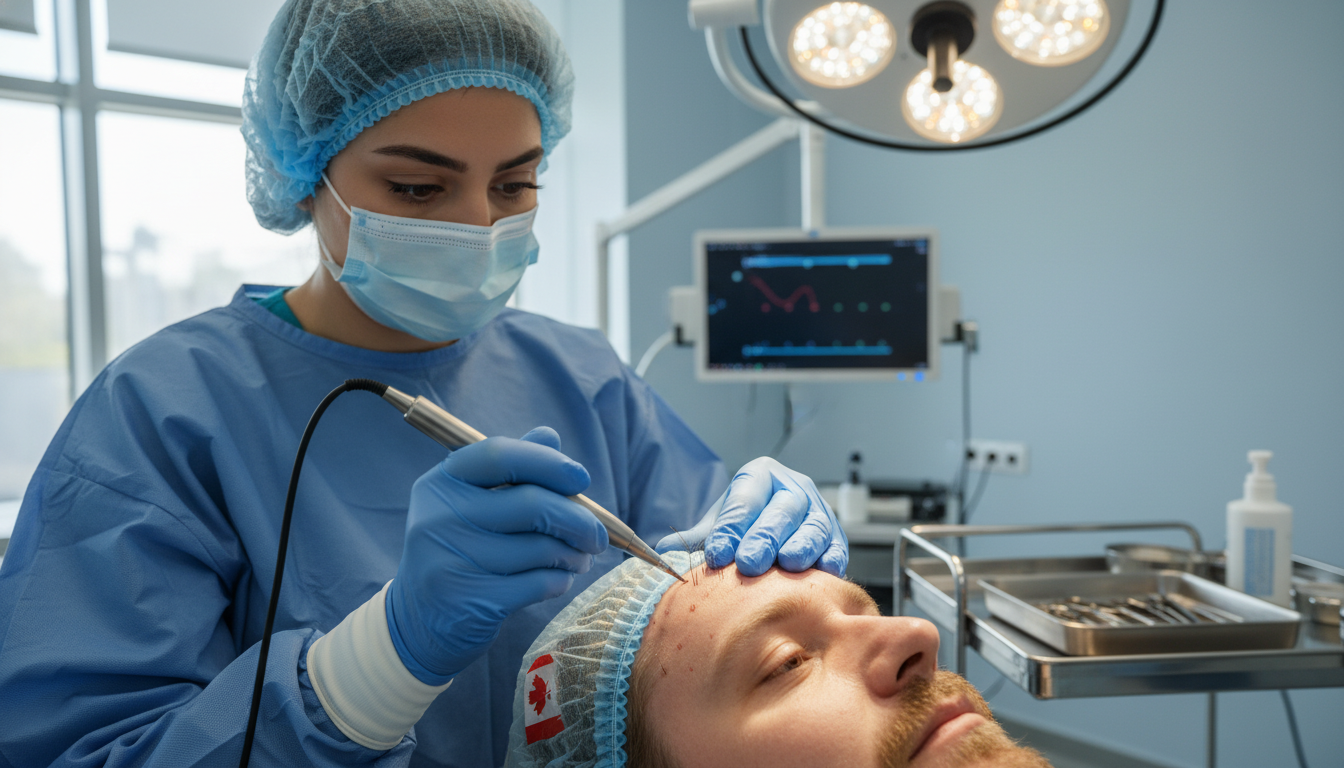
The process begins with a detailed consultation where the surgeon assesses the patient’s hair loss pattern and determines suitable donor areas. Patients then undergo a local anesthetic regimen that ensures a pain-free experience during the extraction of hair follicles. The direct hair implantation phase follows immediately after, where each follicle is carefully placed using a specialized pen-like tool. Immediate post-procedure care, including antiseptic application and detailed recovery instructions, forms an essential part of the treatment, ensuring optimal healing and graft survival.
Throughout the process, rigorous infection control protocols and patient safety measures are strictly adhered to, meeting the highest international healthcare standards. The DHI method’s advantage lies in its reduced invasiveness compared to other hair transplant techniques, offering Canadian patients a viable alternative with fewer complications and a faster return to daily activities. This procedure exemplifies the integration of medical expertise and technological innovation designed to deliver exceptional outcomes in hair restoration.
Key Steps in the DHI Process
- Pre-operative Planning: The initial consultation involves a comprehensive assessment of the patient’s hair loss, donor area viability, and overall health. The surgeon discusses expectations, reviews medical history, and explains the surgical process to ensure that candidates understand each step. This phase is critical since custom treatment planning maximizes the chances of success and minimizes the risks of postoperative complications.
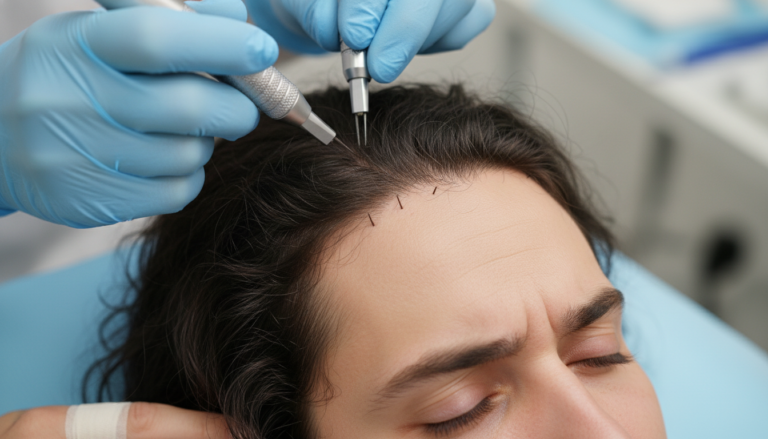
- Direct Implantation Technique: During the procedure, a specialized instrument implants individual hair follicles directly into the thinning areas. The surgeon uses the DHI pen to control the depth, angle, and density of each implant, thereby ensuring natural hairline restoration. This phase uses state-of-the-art technology to achieve precision and reduce trauma to the scalp, which significantly contributes to speeding up the healing process.
- Immediate Post-Procedure Care: After implantation, medical staff provides detailed instructions to manage the treated area. Patients receive guidance on maintaining a clean environment, applying prescribed topical medications, and scheduling follow-up visits to monitor healing. The focus remains on minimizing potential side effects and ensuring that each implanted follicle establishes well within the scalp tissue.
The overall benefit of the DHI method is its reduced invasiveness compared to other hair transplant techniques, offering Canadian patients a procedure with fewer complications and a faster return to their daily activities.
DHI vs FUE: A Comparative Analysis
The comparative analysis between DHI and FUE techniques highlights distinct differences in procedural methods and patient outcomes. DHI hair transplant Turkey distinguishes itself by offering a no-shave option and refined direct implantation that can yield a denser hair restoration with minimal downtime. In contrast, traditional FUE methods often require the pre-shave process, which may affect patient confidence during the initial recovery phase. Canadian patients, particularly those unwilling to sacrifice aesthetics during treatment, find the DHI method increasingly appealing.
Evaluating the technical steps, DHI employs a direct implantation approach where hair follicles are inserted immediately after extraction, reducing the time they are outside the scalp. In contrast, FUE involves a two-step process that may slightly extend the operation time and expose follicles to increased risk of dehydration. While both techniques ensure high success rates when conducted by experienced practitioners, the precision offered by DHI is particularly beneficial for individuals requiring targeted restoration in sensitive areas.
Additionally, DHI’s ability to perform a no-shave hair transplant offers a significant aesthetic benefit, allowing patients to maintain their everyday appearance with minimal disruption. The techniques also differ in their candidacy criteria. Patients with early thinning and localized hair loss might simply opt for DHI, while FUE remains a reliable option for extensive donor area needs. Potential side effects such as minor scalp irritation or temporary swelling are manageable in both procedures; however, DHI often results in a more rapid recovery and less visible scarring.
The procedural innovations in DHI, including the use of advanced tools that allow for precise control during implantation, contribute to a naturally appealing hairline and overall improved cosmetic outcome. Canadian patients, weighing treatment options amid long wait times in domestic healthcare, find that the DHI method provides immediate access to superior, affordable care. The systematic evaluation of procedural differences reinforces how cutting-edge techniques provide both functional improvements and cosmetic benefits, resulting in a holistic treatment experience.
Overall, the DHI method emerges as a compelling alternative for those seeking minimally invasive procedures and a rapid return to everyday life, further positioning Turkey as a global leader in advanced medical tourism for hair restoration.
Evaluating No-Shave Options
Opting for a no-shave approach with DHI offers several notable benefits. Patients appreciate maintaining their current hairstyle and appearance during the early healing phases, which is not typically feasible with FUE. The no-shave technique minimizes social downtime and boosts patient confidence by reducing visible signs of surgery.
Although both techniques require careful postoperative management, the aesthetic advantages of a no-shave hair transplant play a significant role in treatment decisions, particularly for professionals and individuals with high public exposure. This detailed comparison underscores that while both DHI and FUE meet high clinical standards, DHI’s technological advancements and patient-centric design offer enhanced natural results. Canadian patients, weighing treatment options amid long wait times in domestic healthcare, find that the DHI method provides immediate access to superior, affordable care.
The systematic evaluation of procedural differences reinforces how cutting-edge techniques provide both functional improvements and cosmetic benefits, resulting in a holistic treatment experience.
Patient Considerations and Expected Outcomes
Patient selection and tailored expectations form the core of a successful DHI hair transplant experience. The procedure requires a thorough preoperative evaluation by experienced surgeons to ensure candidacy, particularly for patients with diffuse thinning or early-stage hair loss. Canadian patients are encouraged to have a comprehensive discussion with their healthcare providers about the anticipated outcomes and potential side effects, ensuring complete clarity before the intervention.
The selection process also considers factors such as donor hair quality and overall scalp health, which are crucial for the achievement of a natural hairline. Expected side effects typically include temporary redness, mild swelling, and minimal discomfort, all of which generally resolve within a few days. The recovery protocol emphasizes strict adherence to post-operative care guidelines such as avoiding strenuous activity and keeping the scalp clean to mitigate any risk of infection.
Patients following the no-shave hair transplant option often enjoy a quicker social recovery due to less visible surgical signs. Realistic expectations regarding hair density, regrowth timelines, and the final aesthetic appearance are essential, as natural hair growth can continue to improve for up to a year after the procedure. Cost considerations also play an important role, with the DHI technique generally offering significant savings compared to high domestic prices.
The comprehensive packages provided in Turkey include not only the procedure but also pre-operative consultations, detailed post-operative care, and luxury accommodations. This all-inclusive approach ensures that Canadian patients enjoy a seamless and supportive experience. Furthermore, the transparent pricing coupled with immediate scheduling helps alleviate the burdens of prolonged wait times, making DHI an attractive choice for those seeking timely, high-quality hair restoration.
Tailored care plans ensure that each patient receives instructions specific to their health profile and aesthetic goals. Surgeons closely monitor progress during follow-up visits, adjusting post-operative care protocols if necessary. The overall treatment success hinges on patient adherence to recovery guidelines and honest discussions of any concerns.
With a strong emphasis on safety and evidence-based practices, this procedure successfully merges affordability, accessibility, and quality healthcare for patients seeking alternatives to domestic treatment delays.
Conclusion
In summary, the DHI hair transplant method represents a significant advancement in hair restoration techniques by integrating direct hair implantation with no-shave options. This procedure offers Canadian patients a promising alternative to traditional FUE, allowing for precise, minimally invasive hair transplantation with faster recovery times and improved aesthetic outcomes.
The detailed explanation of the protocol, candidacy criteria, and side effect management underscores its effectiveness and reliability in addressing hair loss challenges. Canadian patients facing long wait times and high costs at home find a viable solution in Turkey’s advanced and affordable procedures.
Emphasizing comprehensive pre- and post-operative care, JCI accreditation, and strict safety protocols, this guide advocates for informed decision-making regarding hair restoration. Schedule a free consultation via WhatsApp at +905055002882 to learn more about the DHI hair transplant method and determine if this advanced treatment is right for you.
Ultimately, the DHI approach exemplifies accessible, quality healthcare that empowers patients to regain their confidence and achieve natural-looking results while navigating the challenges of domestic healthcare systems.