
Sapphire FUE vs Traditional Hair Transplant: A Canadian Guide

Summary
This article examines Sapphire FUE hair transplant compared to traditional hair transplant techniques for Canadian patients. It explains procedural differences, technical benefits offered by advanced sapphire blades, candidacy considerations, recovery timelines, and cost factors, with a focus on treatments performed in Turkey.
Canadian patients will gain a medically accurate overview on how Sapphire FUE overcomes long wait times and high costs experienced in Canada while benefitting from state-of-the-art technology and enhanced procedural precision. The guide provides a detailed exploration of why Sapphire FUE stands out as one of the most advanced hair transplant techniques available, ensuring patients are well informed before making any healthcare decision.
The Sapphire FUE hair transplant procedure offers Canadian patients aged 30 to 65 a modern and efficient solution for hair restoration. In Canada, long wait times and escalating costs have driven many patients to seek advanced procedures abroad, and Turkey has emerged as a trusted destination with its JCI-accredited clinics.
Sapphire FUE offers immediate access and enhanced precision due to the use of sapphire blades, which create cleaner incisions and ensure superior graft survival. This article compares Sapphire FUE against the traditional FUE method, discussing who benefits from each technique, what the procedures entail, where treatments are conducted, when patients should consider the procedure, and why choosing the right approach is critical for effective and lasting results.
Canadian patients face significant challenges with hair restoration in their home country, such as extended wait periods and high procedural costs. By exploring the differences between Sapphire FUE and traditional methods, this guide offers a clear, evidence-based comparison grounded in modern surgical techniques and patient safety protocols.
With an emphasis on advanced technology, quality healthcare, and the benefits of overseas treatment in Turkey, the content establishes a trusted framework for those seeking high-quality, affordable solutions in hair transplantation.
Understanding the Sapphire FUE Technique
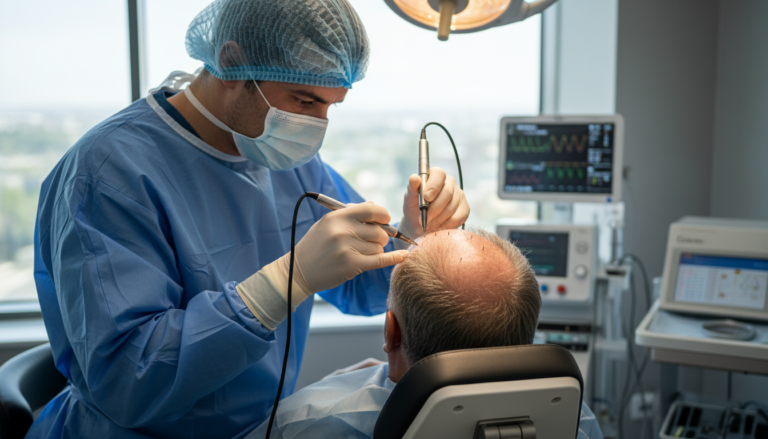
The Sapphire FUE hair transplant technique distinguishes itself through the use of precision-engineered sapphire blades, which enhance the procedure by creating ultra-clean incision sites and reducing tissue trauma. In this advanced methodology utilized in Turkey, surgeons extract hair follicles individually using equipment that incorporates sapphire tips, ensuring minimal damage to surrounding tissues.
This unique approach significantly improves graft survival and reduces the healing time compared to traditional methods. By incorporating sapphire technology, the procedure capitalizes on superior visual clarity during surgery, which allows for greater accuracy in graft placement and results in improved density and natural hairline formation.
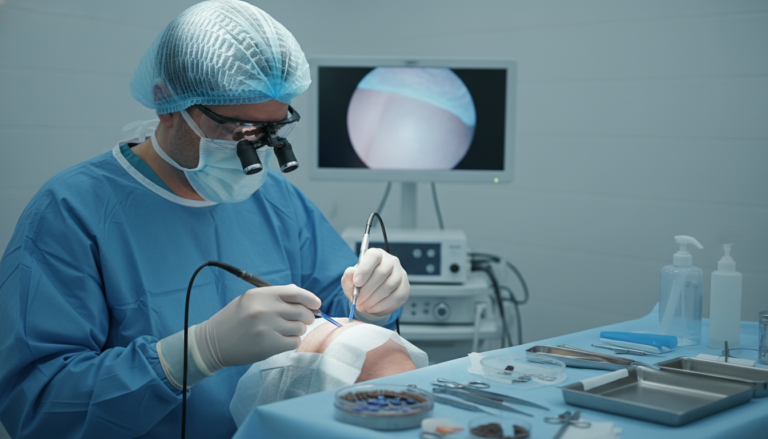
The procedure commences with careful planning and mapping of the donor area, followed by the extraction of individual follicular units using a micro-punch tool equipped with a sapphire blade. After extraction, the grafts are meticulously prepared and sorted to ensure viability. The sapphire blade plays a pivotal role during the recipient site creation phase by making incisions that are more refined and uniform, thereby minimizing tissue damage and scarring.
Surgeons who perform a Sapphire FUE hair transplant in Turkey frequently highlight the enhanced precision and reduced bleeding associated with this method, which contributes to a more comfortable patient experience and a shorter recovery period. Each step, from donor harvesting to the delicate implantation of grafts, benefits from the controlled precision provided by the sapphire instruments.
Further, this technique supports higher graft survival rates with improved overall outcomes. The use of sapphire tips ensures that the created channels match the dimensions of the grafts closely, resulting in a snug fit that enhances the growth environment for the transplanted hairs. Patients often experience less postoperative discomfort and swelling, as the incisions are cleaner and more precise.
Incorporating advanced technology, this method employs real-time digital imaging and augmented precision tools that allow the surgeon to adjust the depth and angle of incisions dynamically. In a clinical setting, these tools, combined with the unique properties of sapphire, underscore why patients choosing a Sapphire FUE hair transplant in Turkey report higher satisfaction rates and a more natural aesthetic outcome compared to traditional techniques.
Surgeons emphasize that the integration of sapphire technology not only optimizes the biological environment for the grafts but also minimizes the risk of infection and accelerates healing. Patients can generally expect a recovery period that is both faster and more comfortable, with reduced post-surgical inflammation. This innovation redefines technical standards in hair restoration, reinforcing the importance of advanced surgical equipment in achieving superior results.
Comparing Traditional FUE and Sapphire Methods
When evaluating hair transplant techniques, comparing traditional FUE with Sapphire FUE highlights significant differences in technology and outcomes. Traditional FUE involves the extraction of individual hair grafts using metal or other conventional blades, which may result in slightly larger incisions and variable healing times.
In contrast, Sapphire FUE uses specially crafted sapphire blades to create neater incisions that foster better graft integration and enhanced precision. This comparative analysis is critical for Canadian patients who seek both short-term and long-term improvements in hair restoration outcomes.
The traditional FUE method, although well-established, carries limitations including less precise incisions and a potentially higher risk of tissue trauma due to the nature of the cutting instruments used. In Sapphire FUE, the use of sapphire tips dramatically refines the process. This technique not only reduces the overall wound size but also minimizes bleeding and scarring.
Patients often experience fewer complications and a more rapid return to normal activities. Advanced imaging and precision instruments supplement the sapphire technique by allowing surgeons to monitor graft extraction and implantation more accurately, yielding a more uniform distribution of grafts.
Comparative clinical studies have indicated that Sapphire FUE leads to improved healing times, a more natural hairline reconstruction, and superior overall aesthetic outcomes. The precision of the incisions minimizes unnecessary damage to surrounding tissues, facilitating a smoother and quicker recovery period.
Moreover, the enhanced precision reduces the risk of graft shock, which is critical in ensuring a high survival rate of the transplanted follicles. The controlled nature of the sapphire blade’s incision allows for a better match between graft size and recipient site, further optimizing the results of the transplant.
Additionally, the efficiency of Sapphire FUE fosters a higher level of patient comfort during the procedure, as the technique reduces operative time and overall trauma. Canadian patients who have faced long wait times and high costs at home are increasingly considering overseas options, and Sapphire FUE offers a compelling case with its blend of technological advancement and clinical effectiveness.
By integrating cutting-edge tools and refined surgical protocols, Sapphire FUE emerges as one of the most advanced hair transplant techniques available today. This technology offers the promise of improved results with minimal downtime, making it an attractive option for patients seeking a balance between efficacy and recovery.
Evaluating Outcomes, Costs, and Candidacy
Evaluating the outcomes of Sapphire FUE versus traditional hair transplant methods involves careful consideration of numerous clinical factors including success rates, recovery timelines, and overall patient satisfaction.
Sapphire FUE distinguishes itself by delivering optimized graft placement with cleaner incisions, which contribute to better hair density and a more natural appearance. The most advanced hair transplant technique not only promises superior aesthetic outcomes but also minimizes postoperative discomfort and shortens the recovery period.
In Turkey, where highly experienced surgeons perform these procedures in state-of-the-art, JCI-accredited facilities, Canadian patients can expect comprehensive care that includes pre-operative evaluations and post-operative follow-up. Cost is another critical element in the decision-making process. In Canada, patients face high out-of-pocket expenses for procedures that may not be fully covered by provincial health plans, along with extended wait times.
By contrast, a Sapphire FUE hair transplant in Turkey offers significant cost savings while providing immediate treatment access. The overall expense of the procedure in Turkey can be approximately 50-70% lower than in Canada, thanks to lower operational and labor costs. This cost efficiency does not compromise clinical quality; rather, it reflects Turkey’s ability to integrate advanced technology and skilled surgical expertise into their treatment protocols.
Patient candidacy plays a crucial role in determining the ideal treatment method. Candidates for Sapphire FUE generally include individuals with patterned hair loss who have adequate donor hair and realistic expectations regarding the density and naturalness of the outcome. A thorough clinical evaluation is necessary to determine if a patient is an appropriate candidate for either method.
Pre-operative preparations include a detailed medical history review, scalp analysis, and discussion of any potential risk factors such as underlying conditions or previous hair restoration attempts. Surgeons use this information to decide whether the enhanced precision of Sapphire FUE or the traditional method is better suited to the patient’s specific needs.
Potential risks such as infection, minor scalp irritation, or temporary shedding may occur but are generally minimized with proper surgical technique and follow-up care. Post-operative protocols include guidance on medication use, minimal physical activity, and scheduled consultations to monitor healing. The comprehensive approach in Turkish clinics addresses patient concerns with individualized treatment plans and round-the-clock support, ensuring that every aspect from initial consultation to final results is managed with exceptional clinical oversight.
In summary, while both techniques offer promising outcomes, Sapphire FUE stands out as a superior option in terms of technical execution, patient comfort, and cost effectiveness. This method meets the growing demand among Canadian patients who require accessible, quality healthcare solutions that bypass the limitations experienced in domestic healthcare settings.
Conclusion
In conclusion, the Sapphire FUE hair transplant technique offers a significant advancement over traditional FUE by incorporating sapphire blades that produce cleaner incisions and reduce tissue damage. Canadian patients seeking hair restoration can benefit from the enhanced precision, faster healing, and improved aesthetic outcomes associated with Sapphire FUE.
By critically assessing the differences in technology and technique, this guide has provided clear insights into why Sapphire FUE stands out as one of the most advanced hair transplant techniques available. Furthermore, understanding the comprehensive cost benefits, reduced recovery timelines, and strict safety protocols in Turkey helps Canadian patients make informed decisions about their health.
By choosing a treatment that bypasses long domestic wait times and exorbitant costs, patients can access immediate, high-quality care under rigorous clinical standards. Schedule a free consultation via WhatsApp at +905055002882 to discuss your Sapphire FUE hair transplant options and determine the best treatment approach for you.