
Zirconium vs Porcelain Crowns: In-Depth Turkey Dental Insights

Summary
This article provides a comprehensive comparison between zirconium and porcelain crowns, focusing on material properties, procedural details, and cost considerations. Canadian dental patients will gain evidence-based insights into durability, aesthetics, and long-term performance. The discussion highlights clinical outcomes, procedure protocols, and pricing differences, facilitating informed decision-making on dental restoration options in Turkey’s accredited clinics.
Zirconium vs Porcelain Crowns: In-Depth Turkey Dental Insights
In this article, we explore the zirconium crowns Turkey procedure in detail, comparing zirconium crowns and porcelain crowns for Canadian dental patients. Adults and seniors in Canada seeking effective, durable dental restorations face long wait times and high costs at home, making it essential to compare these crown options. By examining the technical nuances of each material, this article addresses who can benefit from these restorations and why choosing the right crown type is crucial to long-term oral health. With procedures carried out in internationally accredited Turkish clinics, patients can expect highly specialized care along with significant savings. Canadian individuals experiencing extensive wait times for dental procedures will find this review particularly relevant. The current healthcare climate in Canada often forces patients to seek alternative, effective treatments abroad to bypass delays and excessive expenses. Turkish dental clinics offer state-of-the-art facilities supported by JCI accreditation and Ministry of Health authorization. This article further details the clinical steps involved, emphasizes evidence-based outcomes, and sets a clear context for how modern dental restorations can be both affordable and high-quality.
Technical Comparison: Zirconium Crowns vs Porcelain Crowns
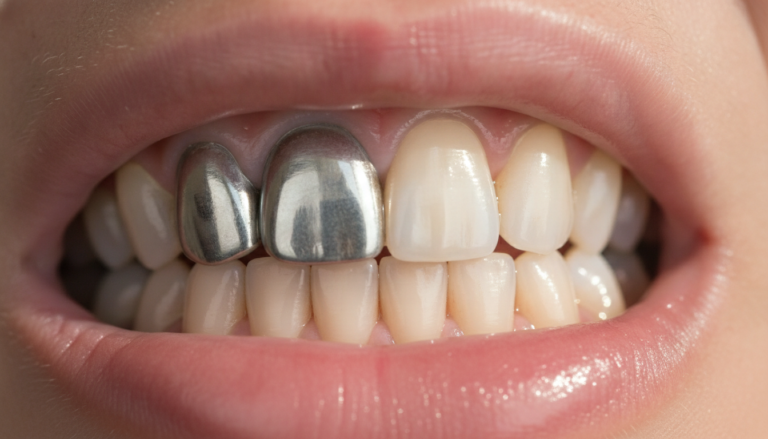
The clinical comparison between zirconium and porcelain crowns provides critical insights into their material properties and durability. Zirconium crowns Turkey procedure highlights a superior structural integrity when compared to traditional porcelain crowns. Zirconium crowns utilize advanced dental zirconia materials that offer exceptional strength, natural aesthetics, and resistance against fractures and chipping. In contrast, porcelain crowns, while highly aesthetic with remarkable translucency and color matching, sometimes lack the robustness needed for patients with heavy biting forces. This section delves into the material science behind each option and outlines the varied long-term wear profiles observed over a period of several years.
Material Properties and Durability
Zirconium crowns benefit from the use of zirconia, a biocompatible material known for its corrosion resistance and impressive fracture toughness. Clinical studies indicate that zirconia-based crowns can endure significant masticatory forces, making them an excellent choice for posterior restorations in patients with bruxism or heavy occlusal loads. On the other hand, porcelain crowns provide superior aesthetic outcomes due to their ability to mimic the natural translucency of enamel. However, porcelain is more prone to microfractures, particularly under repetitive stress. The inherent properties of zirconia offer a lower risk of chipping, and its high density contributes to a longer lifespan. Both crown types adhere to high technical standards, yet their material differences play a crucial role in longevity and patient satisfaction.
Aesthetic Considerations
The aesthetic performance of dental crowns remains a significant factor for many patients. Porcelain crowns excel in achieving a natural tooth-like appearance, benefiting from advanced layering techniques that provide precise color matching and lifelike translucency. Zirconium crowns have improved considerably over recent years with enhancements that allow dental technicians to add customized stains and glazes, thereby generating natural aesthetics without compromising strength. Although porcelain is often preferred in the anterior region for its superior visual properties, zirconia crowns now present a viable alternative, especially in areas where durability is paramount. Ultimately, understanding the clinical trade-offs between the aesthetics of porcelain crowns and the durability of zirconium crowns is essential for making an informed restoration decision, particularly when evaluating porcelain crown vs zirconia cost considerations.
Cost Considerations and Procedure Details
Evaluating the cost of dental restorations involves understanding both the material expenses and the procedural techniques employed during treatment. When analyzing dental zirconia crown cost, several factors such as material quality, laboratory fees, and the complexity of the procedure come into play. Zirconia crowns are often priced higher than porcelain crowns due to their advanced manufacturing processes and higher durability. However, the long-term cost efficiency is enhanced by their longevity and reduced need for future replacements. This section provides an in-depth cost breakdown while also explaining the clinical procedure in a step-by-step fashion to guide patient expectations.
Breakdown of Costs
Dental restorations require a clear understanding of cost components. The overall expense of a zirconium crown includes not only the cost of the premium zirconia material but also laboratory fabrication, clinical preparation, and post-procedure adjustments. These factors contribute to the dental zirconia crown cost which, although seemingly higher at the outset, may offer better long-term value compared to porcelain options. Typically, porcelain crowns might have lower initial costs; however, their susceptibility to wear and chipping could lead to earlier replacements. The cost analysis reveals that while material fees represent a significant portion of the expense, procedural expertise and aftercare significantly influence the final pricing. Detailed comparisons indicate that patients must consider both immediate financial implications and potential future savings with zirconium crowns.
Procedure Steps and Clinical Considerations
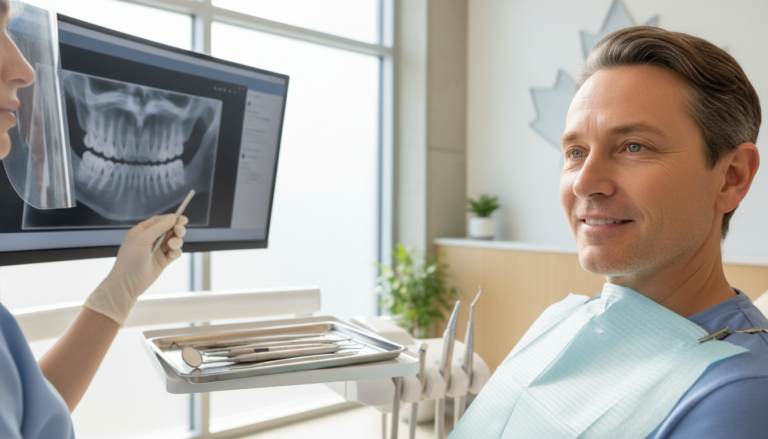
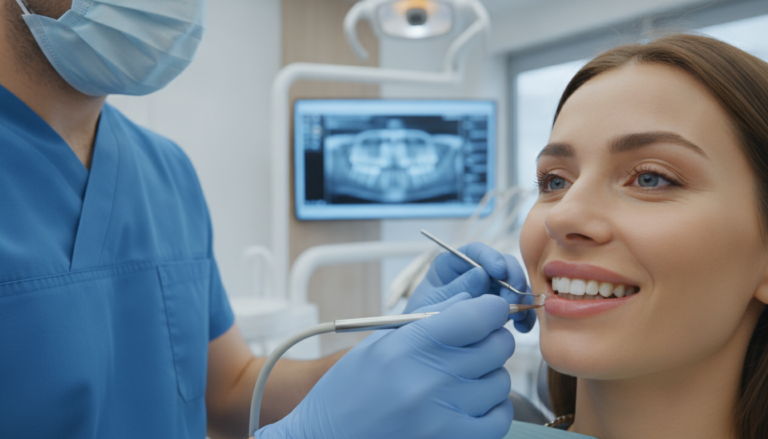
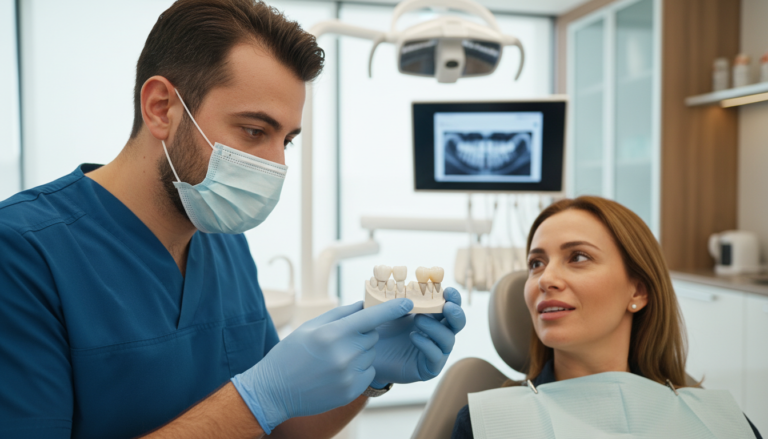
The clinical procedure for dental crown placement follows a standardized and precise protocol designed to ensure optimal outcomes. First, the patient undergoes a thorough dental examination and imaging studies to assess the tooth structure. Next, the target tooth is prepared through controlled reduction, ensuring that the crown will securely fit over the existing tooth without impinging on the surrounding tissues. Following preparation, a custom impression is taken to fabricate the precise restoration. After the laboratory processes the crown, a trial fit is done before permanent cementation. Each step involves rigorous standards of infection control and quality assurance. Maintaining a clear, detailed account of these procedures helps patients understand the bond between clinical excellence and cost efficiency, underscoring the overall value that Turkish dental clinics provide.
Patient Considerations and Treatment Outcomes
Patient-specific factors play a pivotal role in determining the most suitable restoration option between zirconium and porcelain crowns. In clinical practice, candidacy criteria include considerations about occlusion, aesthetic requirements, and overall dental health. Patients with heavy occlusal forces, bruxism, or extensive restorations might benefit more from the durability offered by zirconium crowns, as evidenced by contemporary research data. Meanwhile, those primarily concerned with aesthetic outcomes may opt for porcelain crowns, especially when restorations are required in more visible areas of the mouth. Detailed discussions about treatment outcomes empower patients to make informed choices in alignment with their expected longevity and performance of the dental materials. Selecting the appropriate dental crown involves evaluating both the immediate procedural benefits and the longer-term performance of the restoration. Clinical trials and laboratory evidence suggest that zirconium crowns often exhibit superior longevity, with some studies reporting a success rate exceeding 95% over a decade of use. On the other hand, porcelain crowns provide excellent initial aesthetics but may need additional care due to potential wear over time. The recovery process after crown placement is generally smooth, involving slight sensitivity and minor adjustments to chewing habits during the first few days. Advances in dental techniques have reduced procedural times and minimized post-operative discomfort. Ultimately, understanding how much does a zirconia crown cost, alongside factors like durability and aesthetics, helps demystify the restoration decision-making process for Canadian patients.
Conclusion
In summary, the detailed comparison between zirconium and porcelain crowns emphasizes both technical and financial factors that influence treatment outcomes. This article has highlighted material properties, procedural steps, and cost breakdowns that are critical in assessing the long-term benefits of each crown type. Canadian patients must weigh the superior durability of zirconium crowns against the aesthetic charm of porcelain crowns while considering personal oral health needs and financial implications. The comprehensive insights provided here serve as an essential guide in navigating dental restoration choices overseas. Empowered with clinical evidence and comparative analysis, patients can now approach dental restoration decisions with greater clarity and confidence. By understanding the nuances of each material and procedure, those facing long wait times and high costs at home can pursue high-quality care in Turkey’s accredited clinics. For further personalized guidance on your dental restoration options, schedule a free consultation via WhatsApp at +905055002882. This information not only bridges the gap in accessible healthcare but also reinforces the pathway toward affordable, patient-centered dental treatment.