Zirconium vs Porcelain Crowns: Canadian Dental Comparison
Summary
This comprehensive guide compares zirconium and porcelain crowns, detailing material properties, procedural nuances, and cost implications. The article examines the ceramic composition, aesthetic appeal, and long-term performance of each crown type while addressing Canadian patient concerns about affordability and wait times. Canadian dental patients will gain insights into the benefits and maintenance requirements of each option, thus empowering them to make informed treatment decisions in Turkey.
Introduction
Zirconium plays a crucial role in modern dentistry, especially for Canadian dental patients evaluating crown options to restore function and aesthetics. Many individuals seek alternatives due to prolonged wait times and high costs in Canada. With the increasing adoption of advanced dental techniques in Turkey, patients benefit from state-of-the-art procedures that utilize cutting-edge materials and meticulous protocols. Dental crowns in Turkey offer a viable solution by combining quality with affordability, addressing both clinical needs and cosmetic expectations.
Canadian patients, often grappling with extended wait times for dental procedures and the high expense of crown treatments, find the option of traveling to Turkey particularly compelling. The comparison between zirconium and porcelain crowns sheds light on differences in durability, aesthetics, and biocompatibility, enabling patients to match their unique dental needs with the best treatment option. As dental tourism continues to thrive, detailed knowledge of these crown types becomes crucial for ensuring optimal outcomes and patient satisfaction.
This article provides a detailed analysis that supports informed, value-based decision-making, ensuring that patients receive both high-quality care and significant cost savings.
Material Properties and Aesthetics
Understanding the material properties and aesthetic factors of dental crowns remains essential for Canadian patients seeking predictable, long-lasting results. Zirconium crowns, lauded for their strength and natural translucency, provide a robust solution that withstands the rigors of daily use. In contrast, porcelain crowns offer an excellent match to natural tooth color but can sometimes lack the superior durability needed for heavy occlusal forces. Both crown types deliver high levels of biocompatibility; however, the chemical stability of zirconium crowns brings added benefits, especially for patients with sensitivity to metal or other materials.
Ceramic Composition and Biocompatibility
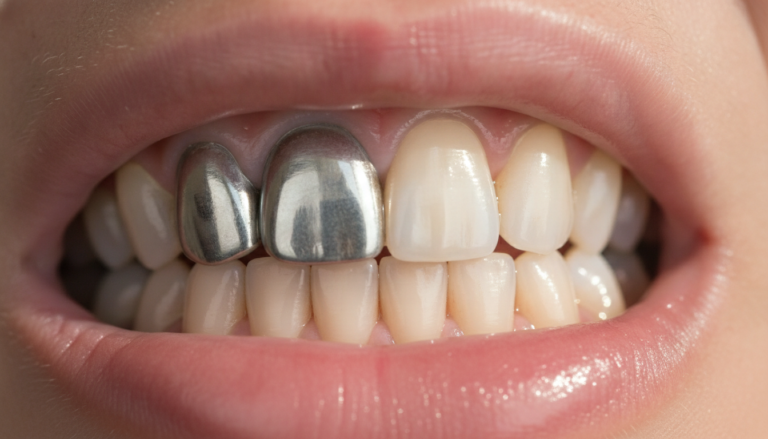
Zirconium crowns Turkey procedure involves the use of advanced ceramic materials that excel in both wear resistance and translucency. These crowns achieve a life-like appearance owing to the high purity of zirconia used, which enables precise color matching to the surrounding dentition. Porcelain crowns, on the other hand, rely on layered ceramic techniques that offer a naturally soft and aesthetic finish, closely mimicking the enamel of natural teeth. Dental crowns Turkey procedures ensure that both types are produced under strict quality control, meeting international standards and ensuring patient safety.
The intrinsic biocompatibility of both zirconium and porcelain minimizes the risk of adverse reactions and ensures the long-term health of the surrounding gum tissues. Zirconium crowns showcase superior chemical inertness, reducing the likelihood of corrosion or wear if exposed to acidic environments. Porcelain crowns benefit from improved esthetic outcomes as they are capable of reflecting light similarly to natural enamel, although they require careful maintenance to prevent chipping.
Both options offer distinct clinical advantages that influence patient satisfaction, and the choice often hinges on individual functional needs and aesthetic expectations. Canadian patients considering dental crowns in Turkey appreciate the meticulous attention to biocompatibility and material integrity. Advanced manufacturing processes guarantee that crowns are free from impurities, which directly impacts longevity and overall performance. In this controlled production environment, safety protocols and rigorous testing ensure that the final product meets stringent health standards.
Ultimately, the material composition and aesthetic qualities of zirconium and porcelain crowns offer nuanced benefits that cater to varying patient priorities, ensuring that each individual receives a solution tailored to both their health and lifestyle needs.
Procedure Details and Cost Considerations
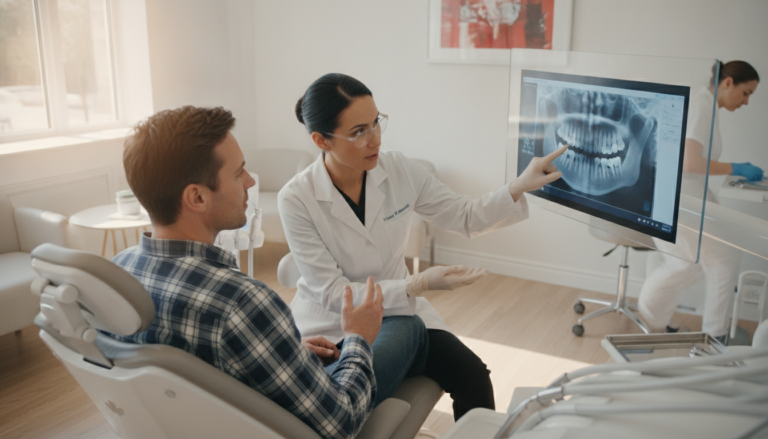
A detailed look at the procedures for fitting zirconium and porcelain crowns underlines the differences that Canadian patients must consider when opting for treatment abroad. Both types of crowns require a thorough evaluation of the tooth structure, meticulous preparation of the affected area, and accurate impressions to ensure proper fit. Modern dental clinics in Turkey are equipped with cutting-edge imaging and modeling technology, facilitating precise diagnostics and customized treatment plans. The efficiency of these clinics, paired with experienced dental professionals, paves the way for faster appointments and minimized waiting periods compared to Canadian services.
Step-by-Step Procedure
- Initial Assessment and Tooth Preparation: The dental professional conducts a comprehensive assessment, including digital x-rays and impressions, to determine the ideal crown type. Once a decision is made between zirconium crowns turkey procedure and porcelain crowns options, the dentist carefully removes the outer layer of the affected tooth to accommodate the crown. This step ensures there is sufficient space for the crown material while preserving as much of the natural tooth structure as possible. Accuracy at this stage is critical, as it sets the foundation for a successful, long-lasting restoration.
- Impression Taking and Temporary Crown Placement: After tooth preparation, the dentist takes a detailed impression of the prepared tooth along with adjacent teeth. A temporary crown gets placed immediately following the impression to protect the tooth and maintain proper occlusion until the final crown is fabricated. The temporary crown provides a preview of the final restoration’s fit and appearance, enabling any necessary adjustments before final processing. Patients typically experience a short waiting period while the crown is custom-made in a dental laboratory.
- Final Fitting and Cementation: Once the custom crown is fabricated, the dental professional verifies the fit, shade, and overall aesthetics before permanently cementing it in place. The final stage involves carefully bonding the crown to the tooth using resin-modified glass ionomer or similar cement, ensuring secure and long-lasting adhesion. The precise technique varies slightly between zirconium and porcelain crowns due to inherent material differences, with zirconium often requiring specific surface treatments for optimal cement retention. Considering porcelain crown vs zirconia cost factors, the procedure not only emphasizes clinical precision but also cost efficiency, providing Canadian patients with significant savings compared to domestic pricing.
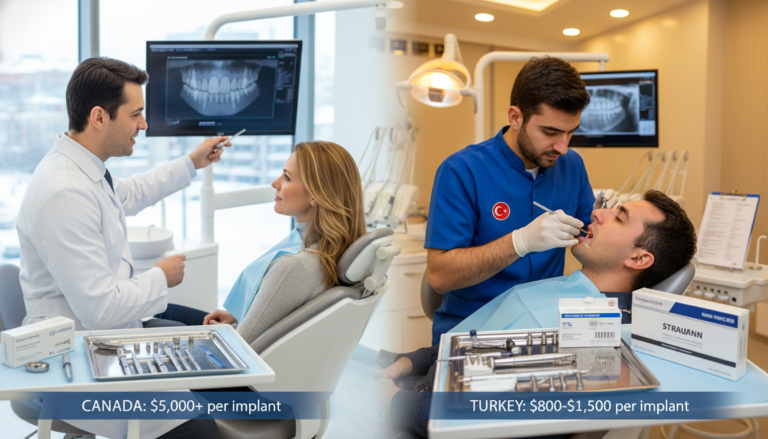
In addition to the clinical steps, cost considerations play a critical role in treatment planning. Patients in Canada frequently face high out-of-pocket expenses for crown procedures, which can be mitigated through affordable packages offered in Turkey. Real pricing insights reveal that zirconia crown cost and porcelain crown vs zirconia cost comparisons can yield savings of 50-70% over Canadian prices. This cost efficiency, combined with shorter waiting periods, makes professional dental care in Turkey an attractive option for those seeking both innovative treatment and value. Enhanced transparency about procedural details also reinforces patient confidence in the treatment plan and expected outcomes, ensuring that every step is aligned with high-quality healthcare standards.
Longevity, Maintenance, and Patient Outcomes
Longevity, maintenance, and overall clinical outcomes remain vital considerations for patients evaluating dental crown options. Both zirconium and porcelain crowns offer robust performance when maintained with proper oral hygiene, yet their intrinsic properties affect their longevity differently. Zirconium crowns earn praise for their high fracture resistance and longer service life, particularly in areas with heavy biting forces. Porcelain crowns, while extremely aesthetic, may require more careful handling and periodic maintenance to prevent chipping or wear over time. Patients must consider these factors alongside the potential need for follow-up care to ensure sustained oral health.
Clinical Outcomes and Long-Term Care
Clinical outcomes for both crown types depend largely on routine maintenance and the patient’s adherence to recommended care protocols. Regular dental checkups, proper brushing and flossing, and the avoidance of hard foods help extend the life of any crown. Zirconium crowns benefit from their superior mechanical properties, which result in fewer cases of surface wear or marginal breakdown. Personalized treatment plans in Turkey incorporate comprehensive follow-up protocols to address any early signs of complications and ensure that both zirconium and porcelain crowns achieve optimal performance in the long term.
Long-term care strategies include periodic professional cleanings and monitoring to preemptively address issues such as loose crowns or gum inflammation. The durability of zirconium crowns, combined with their excellent biocompatibility, makes them a favorable option for patients prone to bruxism or heavy masticatory loads. In contrast, porcelain crowns may offer superior aesthetics and a better color match for anterior teeth, yet require diligent care to avoid minor fractures. Canadian dental patients are encouraged to discuss their lifestyle factors and oral hygiene habits with their providers, ensuring the selection of a crown type that aligns with both their aesthetic aspirations and functional demands.
Both treatment options deliver high success rates when implemented with adherence to best practices, and the availability of skilled dental professionals in Turkey ensures precise technique and market-leading outcomes. This comprehensive approach to long-term care and maintenance boosts overall patient satisfaction substantially. The detailed evaluation of clinical outcomes and personalized aftercare plans underscores the importance of selecting a crown type that not only meets immediate dental needs but also promises enduring efficacy and comfort.
Conclusion
In summary, the comparison between zirconium and porcelain crowns highlights significant differences in material composition, procedural steps, and long-term performance. Zirconium crowns offer remarkable strength and longevity, making them suitable for patients requiring high durability, while porcelain crowns provide outstanding aesthetics that mirror natural dentition. Both options involve carefully structured procedures and specialized materials that deliver predictable outcomes, ensuring high-quality care for Canadian dental patients.
Canadian patients can confidently choose an option that best fits their personal needs, knowing that both clinical outcomes and cost considerations have been thoroughly addressed. By leveraging the advanced dental techniques available in Turkey, patients overcome long wait times and exorbitant costs typical in Canada.
Schedule your dental consultation now and call or WhatsApp +905055002882 for personalized expert advice on choosing the best crown option for you. Embrace accessible, affordable, top-tier dental care and make an informed decision that aligns with your long-term oral health goals.