Hair Loss Treatment Options for Canadian Men
Summary
This blog post covers hair loss treatment options designed specifically for Canadian men. It explains the causes of hair loss and details effective strategies, including medical, surgical, and natural approaches to address male pattern baldness. The article provides clinical insights and discusses practical restoration options along with evidence-based treatment pathways, helping readers understand the underlying factors and available therapies for optimal hair restoration outcomes. male pattern baldness treatment remains a significant concern for many Canadian men who face both genetic predispositions and environmental challenges. Many experience the stress and anxiety associated with noticeable hair thinning, which can impact self-esteem and overall quality of life. In Canada, long wait times and high costs often impede timely intervention, prompting many to explore international alternatives. Turkey has emerged as a leader in offering advanced, affordable care through JCI-accredited hospitals. This article introduces a range of treatment modalities available in Turkey as alternative solutions to Canadian healthcare constraints, ensuring patients receive evidence-based and effective care with minimal wait times.
Understanding Hair Loss Causes in Men
Understanding the multifaceted causes of hair loss in men provides crucial insight into successful treatment outcomes. Hair loss in men can stem from a variety of factors, which include genetic predispositions, hormonal imbalances, and nutritional deficiencies that collectively contribute to male pattern baldness. Recent research highlights that up to 80% of men may experience some degree of hair loss by the age of 50, with genetics playing a predominant role. Clinical studies have confirmed that hormonal changes, particularly involving dihydrotestosterone (DHT), significantly contribute to the miniaturization of hair follicles, resulting in progressive thinning. Canadian men facing these challenges often seek treatments not only for cosmetic reasons but also to improve their overall sense of well-being.
Genetic and Hormonal Influences
Genetic factors remain one of the primary contributors to hair loss in men. A family history of male pattern baldness often predisposes individuals to the condition, with inherited traits influencing the sensitivity of hair follicles to hormonal changes. Elevated levels of DHT, a derivative of testosterone, bind to hair follicles and trigger shrinkage over time, a process well documented in several clinical trials. These hormonal influences create a predictable pattern of hair loss that typically begins at the temples and crown. In this context, Canadian men are increasingly prioritizing early intervention, as an understanding of genetic predisposition encourages more timely and targeted treatment strategies, ensuring that hair restoration interventions yield optimal results.
Nutritional Deficiencies and Lifestyle Factors
Beyond genetics, nutritional imbalances and lifestyle choices significantly affect hair health. Deficiencies in essential vitamins and minerals, such as biotin, zinc, and iron, can weaken hair strands and exacerbate hair loss. A growing body of evidence suggests that poor dietary habits or rigorous lifestyle pressures may further diminish the quality and density of hair. Men who adopt sedentary lifestyles or experience chronic stress may also see a decline in their overall hair condition. Clinical recommendations stress that addressing these deficiencies through diet, supplementation, and lifestyle modifications can aid in mitigating hair loss. For Canadian patients, combining nutrition-based strategies with advanced medical treatments offers a comprehensive approach to combatting male pattern baldness effectively.
Evaluating Male Pattern Baldness Treatment Options
Evaluating treatment options for male pattern baldness involves a careful review of both conventional and alternative approaches, making it essential for patients to understand the range available. Medical interventions, from prescription medications like finasteride to advanced surgical techniques such as hair transplants, offer proven benefits and long-term solutions. Research indicates that nearly 60% of patients using pharmaceutical formulations report noticeable improvements in hair density within a year. Additionally, technological advancements in hair transplant methods have revolutionized outcomes, providing natural results with minimal recovery time. Canadian men, often challenged by long wait times and elevated costs in local clinics, find these options abroad particularly attractive given the affordability and efficiency of care in Turkey.
Medical and Surgical Interventions
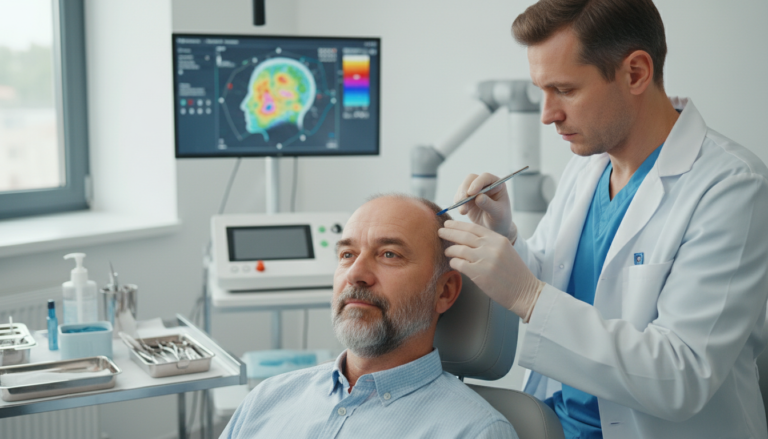
Medical and surgical interventions provide a spectrum of choices for those affected by male pattern baldness. Clinically, medications like finasteride and minoxidil work on hormonal pathways to slow progression and promote hair regrowth. In more advanced stages, hair transplant surgeries such as follicular unit extraction (FUE) and Sapphire FUE offer immediate and lasting restoration benefits. These procedures involve the careful extraction and implantation of healthy hair follicles, typically performed under local anesthesia, ensuring patients experience minimal discomfort. Candidate selection criteria include evaluating the extent of hair loss, donor hair availability, and overall health status. With success rates often exceeding 85% in well-selected patients, the surgical route provides a valuable solution for men who desire noticeable restoration with natural hairline aesthetics.
Natural and Non-Invasive Solutions
Many individuals also prefer natural and non-invasive methods as adjuncts or alternatives to conventional treatments. Natural approaches incorporate lifestyle modifications, dietary supplements, and topical applications that aim to stop hair loss naturally. Research demonstrates that antioxidants and specific nutritional supplements can improve scalp health and stimulate dormant hair follicles. Non-surgical therapies, such as low-level laser therapy (LLLT), have also gained traction, offering a non-invasive means to enhance hair density over time. These options are particularly appealing to male patients looking for less intensive treatment modalities while still addressing the underlying pathophysiology. Through a careful combination of conventional medicines with these natural methods, Canadian patients can tailor therapeutic strategies that align with their health profiles and treatment expectations, ensuring both efficacy and safety in their journey to fight hair loss.
Exploring Hair Restoration Options
Hair restoration remains a focal point in the treatment landscape for male pattern baldness, providing a path to regain hair density and overall appearance. Technological advancements in both surgical and non-surgical restoration techniques allow patients to achieve natural-looking outcomes. Surgical procedures, particularly hair transplants, now incorporate refined techniques that maximize graft survival and enhance aesthetic results. Modern methods emphasize precision in graft placement and utilize sophisticated tools to ensure a high survival rate and optimized hairline design. This comprehensive approach has gained significant attention among Canadian men who face the dual challenge of high costs and long wait times in domestic healthcare settings. The integration of these methods into international healthcare systems, particularly in Turkey, offers a promise of immediate access to world-class treatments at a fraction of Canadian prices.
Surgical Hair Restoration Techniques
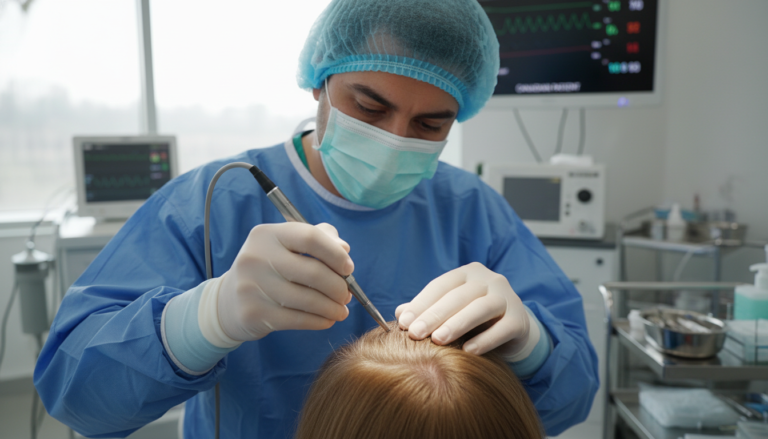
Surgical hair restoration techniques have advanced considerably over the past decade. Hair transplant procedures such as FUE and Sapphire FUE involve the meticulous extraction of individual follicular units before implanting them into thinning or balding areas. The process typically employs local anesthesia, ensuring patient comfort throughout the procedure. Clinically, the success of these techniques depends on precise planning regarding the donor-to-recipient ratio, the skill of the surgeon, and post-operative care protocols. Recovery timelines generally range from 7 to 10 days for initial healing, with full aesthetic outcomes observed within 6 to 12 months. Patients benefit from seeing natural hair growth that integrates seamlessly with existing hair, and long-term outcomes have been statistically robust, with high patient satisfaction reported in international studies.
Non-Surgical Restoration Methods
In addition to surgical options, non-surgical restoration methods offer viable alternatives for those seeking less invasive solutions. Techniques such as platelet-rich plasma (PRP) therapy, low-level laser therapy, and innovative topical formulations have emerged as effective options. PRP therapy involves drawing the patient’s blood, processing it to isolate growth factors, and injecting the concentrate into the scalp to stimulate hair follicles. Similarly, LLLT devices provide a non-invasive treatment by using concentrated light wavelengths to trigger follicular activity. These therapies require consistent application and typically have incremental benefits, with improvements often noticeable within several months of treatment. For Canadian men balancing daily life with treatment commitments, these options present a practical pathway to enhance hair density and slow the progression of male pattern baldness without the need for extensive surgical intervention.
Conclusion
In summary, understanding the underlying causes such as genetic predispositions, hormonal imbalances, and lifestyle factors is critical for developing an effective hair loss treatment plan. Male pattern baldness treatment options range from proven medical and surgical interventions to natural, non-invasive therapies that address both immediate symptoms and long-term hair health. Clinical evidence supports the effectiveness of these varied approaches, and patients must carefully assess their individual conditions to choose the most appropriate treatment pathway. Canadian men experiencing hair loss now have access to affordable, quality care abroad that bypasses the long wait times and high costs prevalent in Canada. A clear understanding of the condition and candid discussions with international experts can pave the way for successful outcomes.
Schedule a free medical consultation to explore your hair loss treatment options. For more details, contact us via WhatsApp at +905055002882.