
Effective Hair Loss Solutions: Treatment Options for Canadian Men

Summary
This article provides an in-depth analysis of hair loss causes in men, specifically tailored for Canadian patients. It outlines key biological, hormonal, and lifestyle factors that contribute to hair loss, and examines both conventional and natural treatment strategies. By offering evidence-based insights into male pattern baldness treatment and hair restoration options, this guide empowers readers with practical information for informed decision-making on their hair restoration journey.
Introduction
Male pattern baldness treatment offers Canadian men an effective pathway to address a challenge that affects both appearance and self-confidence. Canadian men, particularly those experiencing early or progressive hair loss, face unique challenges due to long wait times and high costs within the domestic healthcare system. Many patients decide to explore advanced treatment opportunities in Turkey, known for its world-class, JCI-accredited facilities and internationally trained specialists. In Canada, the high cost and extended wait times for treatments have driven patients to seek alternative solutions that are both accessible and affordable without sacrificing quality. Turkey’s medical tourism landscape provides a robust array of options ranging from conventional pharmaceutical treatments to natural, holistic remedies. This article breaks down the biological factors and environmental stressors responsible for hair loss while offering a comprehensive review of the most effective treatment methods, ensuring that Canadian men are empowered to make informed decisions about their hair restoration journey.
Understanding Hair Loss Causes in Men
Hair loss causes in men are complex and multifactorial, involving a blend of genetic, hormonal, and environmental influences. Research indicates that genetics play a predominant role in male pattern baldness, with certain genes predisposing individuals to an increased sensitivity to dihydrotestosterone (DHT). This hormone, derived from testosterone, contributes significantly to the miniaturization of hair follicles, leading to gradual thinning and eventual hair loss. Environmental stressors, including pollution and lifestyle factors such as smoking and poor diet, further exacerbate this condition. In addition to genetic predisposition, hormonal imbalances have a direct impact on hair follicle health. Elevated levels of stress hormones can disrupt the natural hair growth cycle, resulting in premature shedding and weakened hair structure. Nutritional deficiencies, particularly in vitamins such as D, B-complex, and minerals like iron and zinc, have been clinically linked to compromised hair integrity and health. Recent studies emphasize that addressing these deficiencies through a balanced diet can significantly reduce the progression of hair loss and promote healthier hair growth. Furthermore, lifestyle factors such as inadequate sleep, chronic stress, and exposure to pollutants contribute to the overall weakening of hair follicles. Men experiencing significant stress may notice a rapid acceleration in hair thinning, which highlights the need for a holistic approach when considering treatment options. Recognizing and managing these contributing factors is essential for a successful hair restoration plan, as effective treatment must address both the underlying biological causes and the external influences. Understanding these complex interrelations provides the necessary foundation for selecting the most appropriate and effective male pattern baldness treatment.
Exploring Treatment Options for Male Pattern Baldness
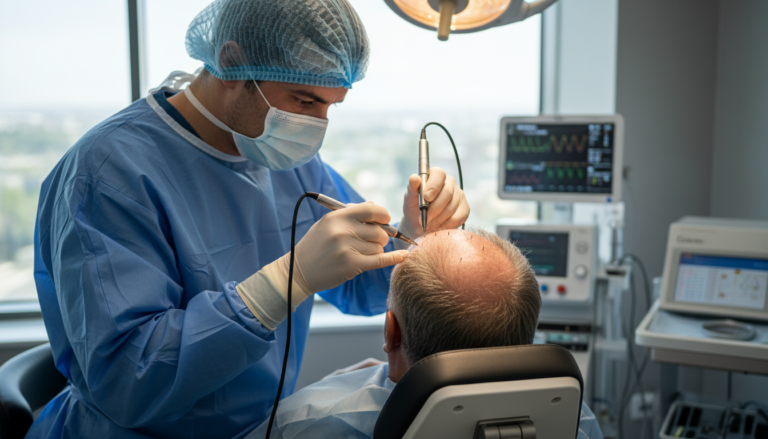
The treatment options for male pattern baldness are diverse, encompassing both conventional medical approaches and natural therapies. Canadian men have access to a range of interventions that address the hormonal, nutritional, and environmental causes of hair loss. Conventional treatments, such as pharmacological therapy with medications like finasteride and minoxidil, have been extensively researched and have shown significant efficacy in halting or slowing down hair loss. Surgical options, including hair transplantation techniques like follicular unit extraction (FUE), supplement these pharmaceutical interventions to provide a more lasting solution for hair restoration. In contrast, natural treatment approaches offer alternative strategies that focus on restoring scalp health and promoting hair growth by harnessing the body’s innate healing processes. These methods include dietary adjustments, supplementation with vitamins and minerals, as well as the incorporation of anti-inflammatory herbs. Many men find that combining these natural remedies with conventional treatments may lead to improved outcomes by addressing both the visible symptoms and underlying causes of hair loss. The integration of these methods also caters to patients who prefer a holistic approach, reducing dependency on medications that may carry potential side effects. Moreover, comprehensive hair restoration options now include innovative techniques that blend surgical precision with natural therapies, promoting faster recovery times and higher success rates. For Canadian men, these advanced treatment strategies are particularly appealing given the lengthy wait times and high cost associated with domestic healthcare. By leveraging the benefits of medical tourism, patients can access internationally recognized treatments at a fraction of the price without compromising on quality. Both conventional and natural approaches serve as vital components of an integrated treatment plan aimed at minimizing hair loss and stimulating regrowth, thereby offering hope and renewed confidence to those affected by this condition.
Implementing Natural Hair Loss Solutions
A significant trend in managing hair loss involves natural solutions aimed at stopping hair loss naturally and promoting robust hair regrowth. Nutritional support plays a pivotal role in this approach, with clinical evidence suggesting that diets rich in antioxidants, omega-3 fatty acids, and essential vitamins contribute to improved scalp health and reduced inflammation. Incorporating natural supplements such as biotin, saw palmetto, and ginseng has been shown to reinforce hair follicle strength while mitigating the effects of DHT on hair shafts. The holistic perspective on hair restoration emphasizes that managing internal wellness directly impacts the external manifestation of hair health. In parallel, lifestyle modifications substantially influence treatment outcomes. Regular exercise, adequate sleep, and effective stress management reduce the impact of cortisol, a hormone linked to accelerated hair loss. Patients are advised to integrate mindfulness practices, balanced nutrition, and routine physical activity as part of a comprehensive strategy to maintain overall well-being. This integrated approach not only supports hair health but also enhances the body’s natural ability to combat environmental pollutants and hormonal imbalances, both recognized causes of hair thinning in men. Furthermore, non-invasive treatments such as low-level laser therapy (LLLT) and certain topical herbal formulations enhance blood circulation to the scalp and stimulate dormant hair follicles. When combined with dietary and supplemental interventions, these therapies create a synergistic effect that has been observed to slow down hair loss while encouraging new growth. Emphasizing the importance of a natural, well-rounded approach, clinicians advocate for personalized treatment plans that address specific deficiencies and lifestyle factors unique to each patient. Together, these modalities provide Canadian men with a sustainable option to stop hair loss naturally, achieving lasting improvements without reliance on invasive procedures.
Conclusion
In conclusion, hair loss in Canadian men arises from a multifaceted interplay of genetics, environmental stressors, hormonal imbalances, and nutritional factors. This detailed exploration of hair loss causes and treatment strategies underscores how both conventional medical interventions and natural remedies can provide effective solutions for male pattern baldness treatment. Canadian patients are encouraged to understand the underlying reasons behind their hair loss and consider evidence-based hair restoration options tailored to their unique needs. Empowering Canadian men to take control of their hair restoration journey involves making informed healthcare decisions that balance quality, safety, and accessibility. By considering both advanced conventional treatments and natural approaches to stop hair loss naturally, patients can overcome lengthy wait times and high domestic costs. Schedule a free consultation via WhatsApp at +905055002882 to discuss your personalized hair loss treatment options and begin a meaningful journey toward improved self-confidence and overall well-being.